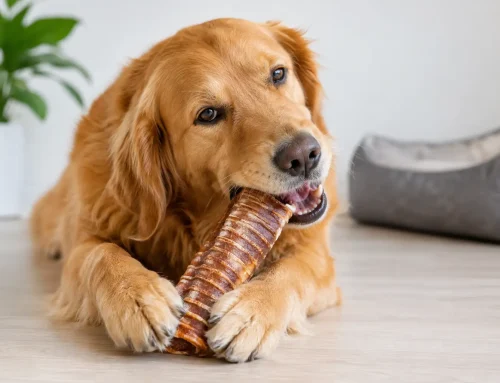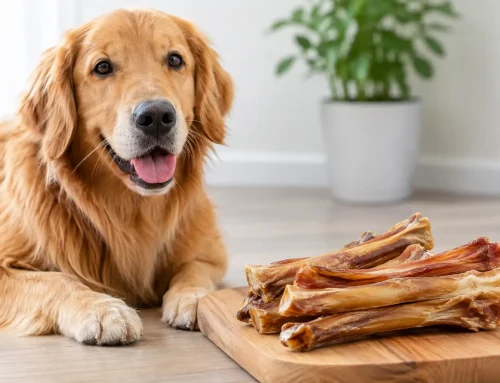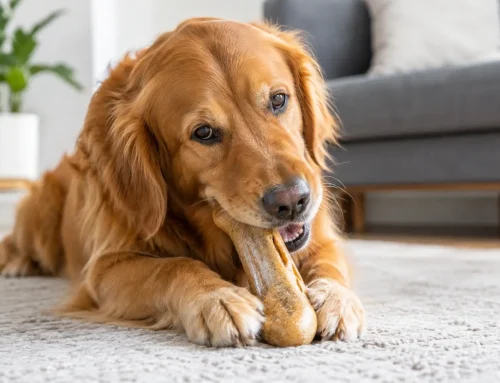
That happy, paws-forward focus when a pup gets a marrow bone is easy to recognize. But are marrow bones safe for dogs? The honest answer is: they can be a satisfying natural chew for the right dog under close supervision, but no bone is risk-free. Your dog’s size, chewing style, dental health, and the specific bone all matter.
Marrow bones are substantial, long-lasting chews that can give many dogs a rewarding outlet for their natural urge to gnaw. They are not a chew to hand over and forget about, though. A little smart prep helps keep tail-wagging treat time on the safer side.
Are Marrow Bones Safe for Every Dog?
Not every dog is a good candidate for a marrow bone. An easygoing adult dog that chews steadily may handle a properly sized bone very differently than a power chewer who tries to crush and consume everything in minutes.
The main concerns are broken teeth, choking, swallowed pieces, digestive upset, and intestinal blockage. Hard bones can be tough on teeth, especially when a dog bites down with serious force. A bone that is too small can become a choking hazard, while a bone that has been reduced to a swallowable chunk needs to be removed.
Marrow itself is rich and fatty. That is part of what makes it so appealing to dogs, but it can also be too much for a pup with a sensitive stomach. Dogs with a history of pancreatitis, recurring digestive trouble, food sensitivities, dental disease, or a tendency to guard high-value chews should only have a bone after a conversation with their veterinarian.
Puppies deserve extra care. Their adult teeth may still be coming in, and their chewing habits are often enthusiastic but unpredictable. Senior dogs may also have weaker or worn teeth that make hard chews less suitable. In both cases, a softer natural chew may be the better royal treatment.
Choose the Right Bone for Your Dog’s Chew Style
A safer chew experience starts before the package is opened. Choose a marrow bone that is larger than your dog’s muzzle and clearly too large to fit fully inside their mouth. Your dog should be able to hold and work on it, not gulp it or maneuver it toward the back of the throat.
Size is only one part of the equation. Match the chew to your dog’s behavior. Moderate chewers often settle in and work methodically, while aggressive or power chewers may bear down hard, scrape off pieces, or try to crack the bone. A bone may last longer for a gentle chewer, but durability alone should never be the goal if your dog is putting their teeth at risk.
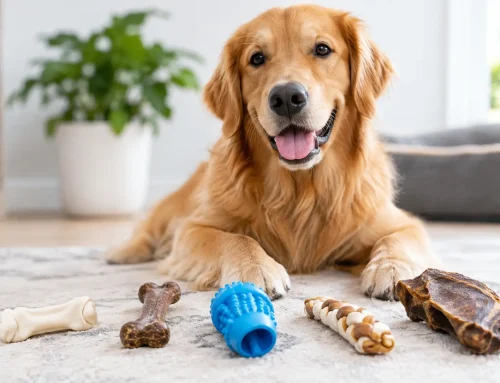
For a dog that destroys hard chews quickly, consider whether a different format is a better fit. Natural options such as trachea, jerky, tripe twists, or pizzles can provide satisfying chewing time with a different texture and level of resistance. The best chew is not necessarily the toughest one. It is the one your dog can enjoy appropriately and safely.
When shopping, look for clearly identified, single-ingredient-style natural chews from a source you trust. Cal Premium offers USA-sourced, Central California-made natural dog chews in categories for moderate and aggressive chewers, helping pet parents choose with their pup’s chewing habits in mind.
Never Leave a Dog Alone With a Marrow Bone
Supervision is the most practical safety rule. Stay nearby while your dog chews, especially during the first few sessions with a new bone. You are watching for more than obvious choking. Notice whether your dog is calmly gnawing, trying to splinter the bone, biting down with intense force, or becoming frustrated enough to attempt swallowing it whole.
Take the bone away if it becomes small enough to swallow, cracks into sharp fragments, or develops rough, jagged edges. Also remove it if your dog is grinding at one spot with enough pressure to make you worry about a tooth. A chew should be a pleasant occupation, not a contest of jaw strength.
Keep marrow bones away from multi-dog chew sessions. Even friendly dogs can become possessive when a high-value treat is involved. Giving each dog space in a separate area can reduce tension, rushing, and the chance that one dog tries to steal or swallow another dog’s bone.
A dog that has never had a marrow bone should start with a short, supervised session. Let them enjoy it for a limited period, then put it away and see how their stomach does over the next day. This approach also helps prevent a pup from consuming too much rich marrow at once.
Cooked, Smoked, and Raw Bones Need Different Consideration
Do not assume every bone is handled the same way. Home-cooked bones are generally a poor choice because cooking can make bones more brittle and more likely to splinter. Skip leftover steak, roast, rib, or ham bones from the dinner table. Seasonings, sauces, onions, garlic, and fatty table scraps can create additional problems beyond the bone itself.
Commercially prepared dog bones should be used according to the product directions. Processing methods vary, and the package should tell you how the chew is intended to be stored and served. If a bone has an unusual odor, visible mold, heavy cracking, or contamination from being left outdoors or shared among dogs, throw it away.
Raw bones bring a separate food-safety question. Raw animal products may carry bacteria that can affect dogs and people in the household. Families with young children, older adults, immunocompromised individuals, or anyone who handles the chew should be especially thoughtful. Wash hands after touching the bone, clean surfaces it contacts, and follow storage guidance carefully.
Watch for These Signs During and After Chewing
Most dogs will simply enjoy their chew and move on with a very pleased expression. Still, pay attention after any new treat. Stop offering the bone and contact your veterinarian if your dog breaks a tooth, has bleeding from the mouth, paws repeatedly at their face, or seems painful when eating.
Digestive warning signs deserve attention too. Vomiting, repeated gagging, a swollen or painful-looking belly, refusal to eat, straining to poop, diarrhea that does not settle, or unusual tiredness can signal that something is wrong. If you suspect your dog swallowed a large piece or has a blockage, call a veterinarian promptly rather than waiting for the problem to pass.
It is also wise to account for the calories in marrow. A marrow bone is a treat, not a meal replacement. Adjusting other treats that day and keeping an eye on your dog’s overall diet can help this special chew stay a special occasion rather than an everyday excess.
Make Chew Time a Good Habit
Marrow bones can be a great match for healthy adult dogs that chew sensibly, have no relevant dietary restrictions, and are supervised by an attentive pet parent. They may not be the right match for every pup, and that is perfectly okay. Dogs have different jaws, stomachs, and styles of fun.
Offer the right size, inspect it often, keep sessions supervised, and choose another natural chew when a bone does not suit your dog’s needs. The goal is simple: give your best friend a delicious, engaging reward that keeps the good times going and those tails wagging.