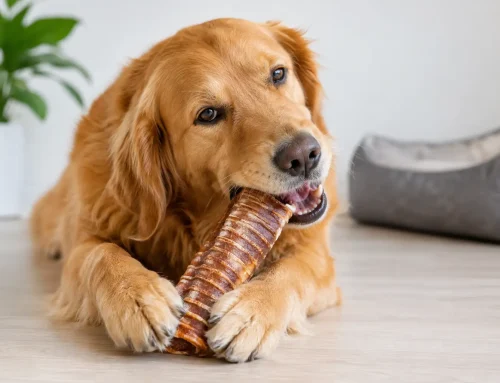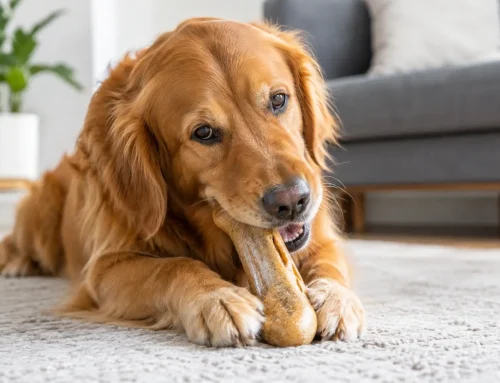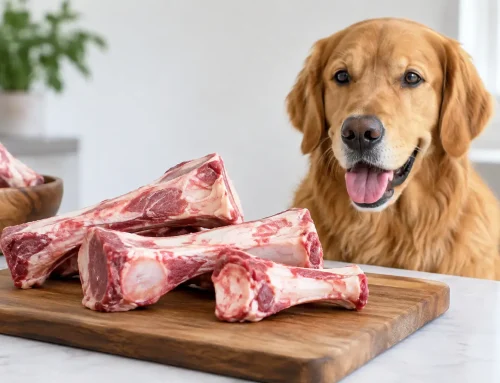
A beef tendon can turn a quiet afternoon into a seriously satisfying chew session. These single-ingredient dog chews have a firm, fibrous texture that gives many pups something worthwhile to work on. But when pet parents ask, “are beef tendons safe,” the best answer is not a simple yes or no. Safety depends on the chew’s quality, your dog’s size and chewing habits, and the supervision you provide from the first sniff to the final nibble.
For the right dog, a properly sized beef tendon can be a wholesome, long-lasting reward. For a dog that gulps treats, has damaged teeth, or turns every chew into a speed contest, a different option may be the smarter choice. That is not taking the fun out of treat time – it is how you keep tails wagging safely.
Are Beef Tendons Safe for Most Dogs?
Beef tendons are generally considered a safe natural chew for healthy dogs when they are made from quality ingredients, offered in an appropriate size, and enjoyed under adult supervision. They are typically made from beef connective tissue and dried to create a durable, chewy texture. Their appeal is simple: no mystery shapes, no complicated ingredient list, and plenty of chewing satisfaction.
Still, natural does not mean risk-free. Any chew can become a choking or blockage hazard if a dog breaks off and swallows a piece that is too large to pass comfortably. Firm chews can also be hard on teeth for dogs that bite with extreme force rather than gradually gnaw. The goal is to select a chew that matches your dog, not just the one that looks most impressive in the treat jar.
Beef tendons are often a good fit for moderate chewers that like to settle in and work a treat over time. Some larger, more determined dogs enjoy them too, but aggressive or power chewers need closer monitoring and may need a thicker, larger format. A chew that lasts one dog 30 minutes may disappear in three minutes with another. Your pup gets the final vote.
What Makes a Beef Tendon Chew a Safer Choice?
Start with a product that is clearly identified as a beef tendon chew and made with straightforward ingredients. Treats with transparent sourcing and careful manufacturing give pet parents more confidence about what is landing in their dog’s bowl. USA-sourced and USA-made options can be especially appealing for families who prioritize knowing where their dog’s chews come from.
Size matters just as much as ingredients. Choose a tendon that is longer and wider than your dog’s mouth so they cannot swallow it whole. A petite dog should not be handed an oversized, rock-hard chew that is difficult to manage, while a big dog should not receive a tiny tendon that can disappear in one gulp. Match the chew to your dog’s body size, jaw strength, and chewing history.
Freshness and storage count, too. Keep unopened chews in a cool, dry place, and follow package guidance after opening. If a tendon smells unusual, shows mold, or has become wet and sticky during storage, toss it. A great chew should feel like a special reward, not a gamble.
A quick texture check helps
Before offering any new tendon, take a moment to feel it. It should be dry and firm, but it should not have sharp, splinter-like edges. Tendons soften as dogs chew them, which is part of what makes them different from brittle cooked bones. Even so, dogs do not all chew the same way. If your pup is trying to crack down hard, snapping at chunks, or struggling to reposition the chew, take it away and choose a different style next time.
Supervision Is Part of the Treat
The safest place for a beef tendon is where you can keep an eye on your dog. That does not mean hovering over every happy chomp, but it does mean avoiding unsupervised chew time in a crate, backyard, or another room. A dog can choke quietly, and a small leftover piece can become risky fast.
For a first-time tendon, offer it when you have at least 15 to 20 minutes to watch how your pup handles it. Notice whether they chew slowly, hold it with their paws, and work at the edges, or whether they try to swallow big sections. A careful chewer may be ready for future tendon time. A gulper may do better with a larger chew format, a treat holder designed for chews, or a different reward altogether.
Take the tendon away when it becomes small enough to swallow whole or when it has softened into a compact nub. Some dogs will happily trade a well-loved leftover for a small training treat or a favorite toy. Making the trade positive keeps your dog from guarding their prize and helps you manage chew time without a fuss.
When Beef Tendons May Not Be the Right Fit
Beef tendons are not the best choice for every dog, and that is perfectly okay. Puppies still developing their adult teeth, senior dogs with dental sensitivity, and dogs with broken, loose, or heavily worn teeth may need gentler options. Dogs with a history of choking, intestinal obstruction, or swallowing non-food items should only have chews selected with veterinary guidance.
Dogs on restricted diets also deserve extra care. Even a single-ingredient chew adds calories and animal protein to the day, which can matter for pups managing food sensitivities, weight goals, or medical conditions. If your dog has had pancreatitis, digestive troubles, or a prescribed diet, ask your veterinarian before introducing a new chew.
Pay attention after the first few sessions. Mild changes in stool can happen when a dog tries a new treat, but vomiting, ongoing diarrhea, unusual tiredness, repeated gagging, or difficulty passing stool calls for a pause and a conversation with your veterinarian. If your dog is choking, has trouble breathing, or seems unable to swallow, seek emergency veterinary care right away.
How Often Can Dogs Have Beef Tendons?
Frequency depends on the size of the tendon, your dog’s regular diet, and how many other treats they enjoy. Chews should complement complete dog food, not replace it. A practical rule is to keep treats within a modest share of daily calories, then adjust meals if your veterinarian recommends it.
For many dogs, a tendon is best treated as a special chew session rather than an automatic all-day habit. Offering one a few times a week may make more sense than daily, especially for smaller dogs or pups who receive training treats, dental chews, and table scraps. Larger, active dogs may have room for more, but their total treat intake still counts.
It also helps to rotate chew types. A softer jerky-style treat can be ideal for quick rewards, while a tendon gives your dog a longer project. Variety keeps treat time exciting and lets you choose the right texture for the moment instead of asking one chew to do every job.
Choosing a Tendon for Your Dog’s Chew Style
Think less about your dog’s breed label and more about what they actually do with a chew. A calm Labrador who methodically gnaws may be easier to match than a small terrier who attacks every treat with impressive determination. Chew intensity is personal.
Moderate chewers often do well with standard beef tendon options that offer a satisfying, flexible challenge. Dogs that power through softer treats may need a larger, thicker tendon and extra supervision. If your dog can finish it almost immediately, the size or chew style was probably not the best match.
Cal Premium makes it easier to shop natural chews by considering both ingredient quality and chew intensity. Look for an option that gives your dog enough to work on without turning treat time into a test of speed. The best chew is one your pup enjoys calmly, while you feel confident about what they are chewing.
A Better Way to Make Chew Time Special
Offer beef tendons after a walk, during a relaxed evening, or when your dog needs a positive activity while the house is busy. Give the chew on an easy-to-clean surface and provide fresh water nearby. This is not just a snack break – it is a chance for your dog to settle, chew, and enjoy a little royal treatment.
Keep the first tendon session short, watch your pup’s technique, and trust what you see. When the size, texture, and supervision all line up, a quality beef tendon can be the kind of simple, natural reward that keeps your dog content and their tail happily in motion.