A chew that keeps one pup happily busy may be too much chew for another. Knowing how to match chew strength means looking beyond your dog’s size and choosing a natural chew that fits their real chewing style. The goal is simple: a satisfying reward that gives your dog something delicious to work on, without handing them a chew they can crush, gulp, or struggle with.
Every dog has their own chew personality. Some politely soften an edge before settling in. Others put their whole heart, jaws, and front paws into the job. Matching the format, density, and size of a chew to that personality helps keep tails wagging and makes treat time more rewarding.
Start With Your Dog’s Chewing Style
A dog’s label as a moderate or aggressive chewer is more useful than a breed label alone. A small dog can be determined enough to power through a treat, while a large dog may take a gentle, unhurried approach. Watch what your pup does with familiar treats and toys to get a clear picture.
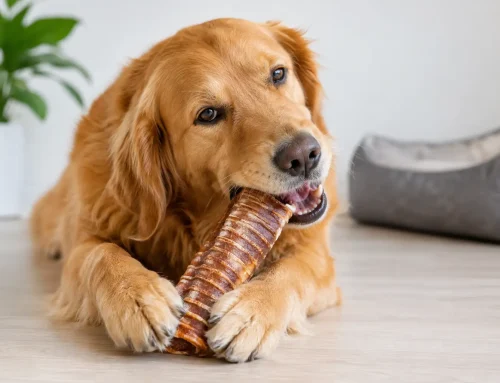
A moderate chewer usually gnaws, licks, and works at a treat over time. They may enjoy softer natural formats and still leave a chew behind when they have had enough. Trachea, tripe twists, jerky-style treats, and thinner pizzle options can be a great place to start for these dogs, depending on the size of the item.
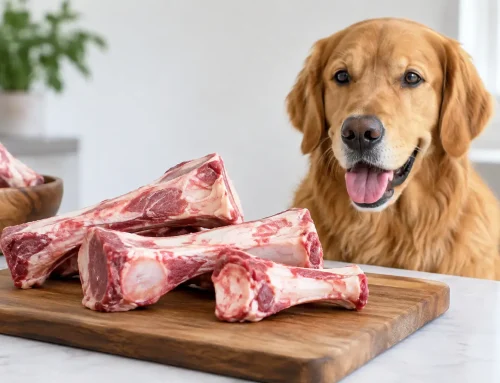
An aggressive or power chewer bites down hard, tears through treats quickly, and may finish a light chew in minutes. These dogs generally need substantial formats with more density and staying power, such as appropriately sized marrow bones, rib bones, femur bones, thicker pizzles, or sturdy backstrap. “Long-lasting” still varies from dog to dog, but a denser chew gives an enthusiastic chomp more to work with.
If you are not sure where your dog falls, start conservatively. Choose a chew intended for moderate chewing, supervise the first session, and see how quickly your dog breaks it down. Their behavior will tell you far more than the package alone.
How to Match Chew Strength With Size
Chew strength and chew size work together. A tiny chew can become a swallowing hazard for a larger dog, even if the chew itself is firm. On the other hand, an oversized, extra-dense chew can be frustrating for a small dog who cannot get a comfortable grip or make meaningful progress.
Choose a chew that is clearly larger than your dog’s mouth. Your pup should be able to hold and gnaw it, not fit the whole thing behind their teeth. This matters especially as a chew gets smaller. Remove any remaining piece that could be swallowed whole or poses a choking risk.
For small dogs, narrower trachea pieces, petite pizzles, smaller jerky portions, and properly sized bones can offer plenty of enjoyment without overwhelming their jaws. Medium and large dogs may do well with larger formats, but their individual chewing habits should still lead the decision. A gentle 80-pound dog is not automatically a power chewer, and a determined 18-pound terrier is not automatically moderate.
When shopping for a multi-dog household, avoid assuming one chew works for everybody. Giving each dog a chew matched to their own size and style is the royal treatment – and it can help prevent a fast finisher from trying to claim a sibling’s treat.
Match the Chew Format to the Moment
Not every chew needs to last for an hour. Sometimes you want a quick, high-value reward; other times you need a more involved chewing project while you answer emails, welcome guests, or help your pup settle after a walk. The format matters as much as the strength category.
Softer, more flexible chews such as tripe twists, beef jerky, and some trachea pieces are often better suited to shorter sessions, training rewards, or moderate chewers. They bring big natural flavor and satisfying texture, but a determined dog may finish them quickly. That is not a failure – it is simply the right chew for a different purpose.
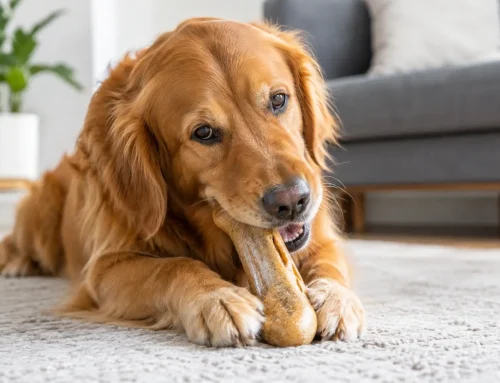
Pizzles can offer a more substantial chew experience, with thickness and length making a real difference. A thin pizzle may be just right for a smaller or moderate chewer, while a thicker option may better suit a dog who likes to stay busy. As always, select an appropriate size and monitor how your dog handles it.
Bones tend to appeal to dogs who love a longer challenge. Marrow bones, rib bones, and femur bones are not interchangeable: shape, thickness, and density affect how a dog can grip and work the chew. For strong chewers, choose a bone sized for their body and chewing intensity, and inspect it often. If it splinters, cracks into sharp pieces, or becomes small enough to swallow, take it away.
Watch the First Chew Session Closely
The first time your dog tries a new chew is not the time to toss it down and walk away. Sit nearby and notice their pace, posture, and technique. A good match usually looks like focused, content chewing with regular pauses. Your dog can hold the item comfortably and work at it without frantic attempts to swallow large pieces.
Take the chew away if your dog is trying to gulp it, breaking off oversized chunks, coughing, gagging, or showing signs of distress. Also pay attention to the condition of the chew itself. Natural products vary in shape and density, so each piece deserves a quick check before and during use.
Supervision is especially valuable for dogs new to natural chews, dogs that guard food, and pups that are still learning how to enjoy a chew calmly. Offer chews in separate spaces if you have multiple dogs, and make sure fresh water is available.
Consider Age, Teeth, and Health History
Puppies, senior dogs, and dogs with dental concerns need an extra layer of thought. Young puppies are still learning to chew and may need age-appropriate treats that are easier to manage. Senior dogs may have less jaw strength or tender teeth, even if they were power chewers in their younger years.
Hardness is not always better. A chew that is too tough for your dog can be uncomfortable and may not be the best fit for their teeth. If your dog has a history of fractured teeth, dental disease, digestive sensitivities, or swallowing non-food items, ask your veterinarian which chew types and textures make sense for them.
Treats and chews also belong within your dog’s overall diet. Adjust meal portions when needed, particularly if your dog enjoys richer protein-based rewards regularly. A great chew should feel like a happy part of the day, not an accidental extra meal.
Use the Package Category as Your Starting Point
Clear labels make chew shopping easier, especially when you are choosing between beef chews, pork chews, bones, trachea, and assorted bags. At Cal Premium, Moderate and Aggressive / Power categories are designed to help narrow the field, but your dog gets the final vote through their chewing behavior.
Think of the category as your first filter. Then check the item’s dimensions, thickness, and shape against your dog’s size and experience. A first-time chewer may benefit from a less demanding option, while an experienced power chewer may need a larger, more substantial format to stay engaged.
It is also smart to keep a small variety on hand. A softer treat can be perfect for a quick reward, while a bigger chew can become a special settle-down activity. Rotating appropriate natural formats keeps treat time interesting without asking one product to do every job.
The best match is the one your dog can enjoy calmly, comfortably, and under your watchful eye. Pay attention to the happy clues: relaxed body language, eager anticipation, and a chew that lasts about as long as you expected. That is how you build better chew time, one well-chosen, tail-wagging treat at a time.