A determined power chewer can turn a flimsy treat into crumbs before you have finished pouring your coffee. The best chews for aggressive dogs are not simply the biggest items in the treat drawer. They are appropriately sized, naturally satisfying, and matched to how your pup actually chews. For the dog who braces a chew between their paws and gets to work, choosing wisely helps keep tails wagging while giving that busy mouth a worthwhile job.
What Makes a Chew Right for a Power Chewer?
Aggressive chewing is normal dog behavior, not bad behavior. Some dogs chew for enrichment, some chew when they are settling down, and some seem personally committed to testing every treat’s limits. The goal is to offer a chew with enough substance and staying power for the dog in front of you.
Start with size. A chew should be larger than your dog’s mouth and too large to swallow whole. A small dog and a large dog should not be offered the same bone just because both are enthusiastic chewers. Read the product’s size guidance, consider your dog’s weight and jaw strength, and size up when you are between options.
Texture matters, too. Long-lasting does not always mean rock-hard. Extremely hard items can be tough on teeth, especially for dogs that attack a chew with full force. Natural chews come in different densities and shapes, so it helps to rotate options rather than handing out the same style every time. A chew that keeps one dog happily occupied may be too firm, too rich, or too easy for another.
Best Chews for Aggressive Dogs: Natural Options to Consider
Natural beef and pork chews offer the kind of savory flavor and texture many dogs love, without turning treat time into a mystery ingredient list. Each format has a different job to do, which makes variety useful for households with serious chewers.
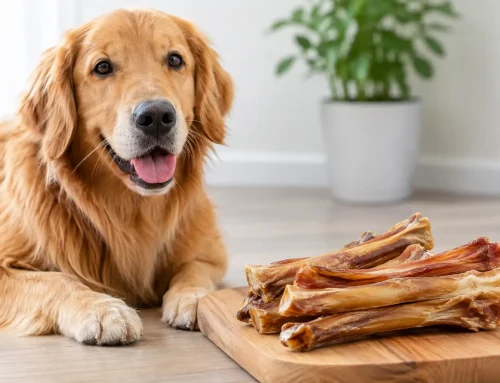
Beef femur and marrow bones
Beef femur bones are a classic choice for larger dogs and experienced power chewers because they offer substantial size and density. Marrow bones add an extra layer of dog-approved interest, making them a special reward for pups who enjoy working at a chew over time.
The trade-off is simple: dense bones require attentive supervision. Select a size that is comfortably bigger than your dog’s mouth, remove it if it becomes small enough to swallow, and inspect it regularly for splintering or sharp edges. For dogs with a history of broken or worn teeth, ask your veterinarian whether dense bones are a good fit.
Beef rib bones
Rib bones can bring satisfying flavor and a different chewing experience from a thick femur bone. Their shape gives dogs places to grip and gnaw, which can make them especially appealing to pups who like to work around edges.
Because rib bones vary in shape and thickness, they are best chosen with your individual dog in mind. A large, powerful dog needs a suitably substantial option, while a smaller dog may do better with a different chew category altogether. As with every natural bone, supervise from the first chew session through the last.
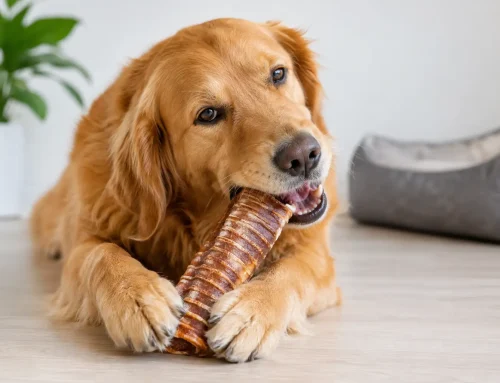
Beef trachea
For dogs that enjoy a crunchy, textured chew, beef trachea is a tasty option to add to the rotation. Its hollow shape and natural texture can keep a dog interested without being the same dense experience as a weight-bearing bone.
Trachea may not outlast a femur bone for every power chewer, but that does not make it a lesser choice. It is often a smart pick for a shorter supervised chew session or for dogs that need variety. Offer an appropriate size and take away small remaining pieces.
Pizzles and backstrap
Pizzles, also known as bully sticks, and backstrap chews give determined dogs a satisfying, protein-forward challenge. Their longer shapes can encourage steady gnawing, and they are easy to include in a treat rotation when your pup needs an engaging reward.
These chews can disappear faster than a large bone in the mouth of a true power chewer. That is where size and supervision do the heavy lifting. Choose a thicker, longer option for larger dogs, and remove the end piece before it becomes a gulping hazard. A chew holder may also help keep the final portion out of reach.
Tripe twists and jerky for variety
Tripe twists and beef jerky are often better thought of as flavorful rewards or shorter chew breaks than all-afternoon projects for an aggressive chewer. They can still be a wonderful part of a natural treat routine, especially when you want to reward good behavior, add excitement to training, or give your dog a change of pace.
The best treat plan does not have to rely on one product type. Rotating substantial bones, longer chews, and quicker rewards keeps treat time interesting and lets you match the chew to the moment.
How to Choose Safely Before Treat Time
The label “aggressive” or “power” chewer is a useful starting point, but it is not a guarantee that every chew is right for every dog. A Labrador that patiently gnaws is different from a German Shepherd that tries to crack a chew in minutes. Age, dental health, body size, eating habits, and past chewing behavior all matter.
Use these practical checks each time you offer a new natural chew:
- Pick a chew that is larger than your dog’s muzzle and cannot be swallowed whole.
- Stay nearby, especially with a new chew or a dog that gulps treats.
- Take the chew away when it becomes small, soft enough to swallow in a chunk, sharp, or heavily worn.
- Provide fresh water and factor chews into your dog’s overall daily food intake.
- Skip any chew that causes coughing, repeated gagging, vomiting, diarrhea, or visible mouth discomfort, and contact your veterinarian if symptoms continue.
Supervision is not a fussy extra step. It is part of serving a chew responsibly. Even a familiar favorite can change shape as your dog works on it, and every pup has their own style.
Match the Chew to the Moment
A great chew routine considers more than durability. Think about when your dog needs something to do. A marrow bone may suit a quiet weekend afternoon when you can keep an eye on your pup. A pizzle or backstrap can make a rewarding after-walk chew. Tripe twists or jerky can bring a little royal treatment to training, crate time, or a well-earned “good dog” moment.
For multi-dog homes, separate pups during chew time. Even dogs who share toys beautifully may become possessive around high-value natural treats. Giving each dog their own calm space helps prevent squabbles and lets everyone enjoy their snack at their own pace.
Storage deserves a quick mention, too. Keep unopened products in a cool, dry place, follow package directions, and dispose of any chew that becomes dirty or has been left out too long. Clean hands, a clean feeding area, and a fresh chew make for a happier experience all around.
A Natural Chew Rotation Built for Busy Pups
Rather than searching for one indestructible answer, build a rotation around your dog’s needs. Offer a substantial beef bone on days when you can supervise a longer session. Bring in trachea, pizzles, or backstrap for a different texture and chewing style. Save flavorful tripe twists and jerky for smaller rewards or quicker moments of enrichment.
Cal Premium makes it easy to shop natural, USA-sourced beef and pork chews by chew strength, so pet parents can choose with more confidence. Retail packs work beautifully for trying new favorites, while bulk case options help homes with multiple dogs and pet businesses keep their treat shelves ready for action. Thoughtful packaging that is designed to be recyclable is one more feel-good detail for dog families who care about what they bring home.
The perfect chew is the one your dog can enjoy safely, enthusiastically, and at the right pace. Watch how your pup chews, adjust as needed, and keep a few natural favorites on hand for the next well-deserved tail-wagging break.