A bone that looks generous in your pup’s paws can become a quick swallowing hazard once the chewing gets serious. Knowing how to select bone sizes starts with more than reading a weight range on the package. Your dog’s jaw strength, chewing habits, and the shape of the bone all matter when choosing a long-lasting, tail-wagging reward.
The goal is simple: choose a natural chew your dog can enjoy without fitting the whole thing in their mouth or breaking it down faster than you can supervise. A good fit helps keep chewing satisfying, gives your dog an enriching activity, and lets you feel better about treat time.
How to Select Bone Sizes for Your Dog
Start with the bone’s overall dimensions, not your dog’s body weight alone. Weight is useful for a first filter, but it does not tell the whole story. A compact, determined 25-pound dog may chew with far more force than a relaxed 60-pound pup. Likewise, a tall dog with a narrow muzzle may need a different shape than a broad-jawed dog of the same weight.
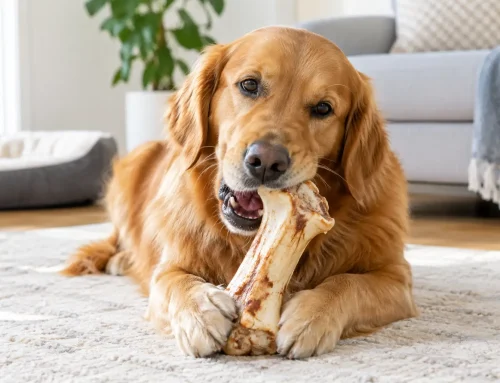
As a practical rule, choose a bone that is clearly longer and wider than your dog’s mouth. Your dog should be able to grip and work on it comfortably, but should not be able to take the entire bone into their mouth. If the chew looks small enough to disappear behind their teeth, size up.
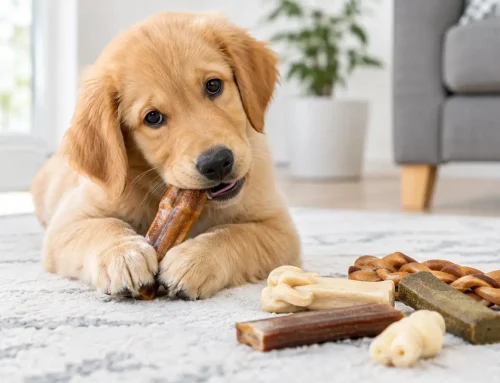
For puppies, wait until they are chewing confidently and consider their current mouth size, not just the adult size they may reach later. Teething pups can be enthusiastic chewers, but their developing teeth and changing mouths call for extra care. A veterinarian can help you decide whether a particular natural bone or chew format is appropriate for your puppy.
Match the Bone to Chewing Style
A dog’s chewing style is often the best clue to the right size and type. Watch what happens when your dog has a chew they enjoy. Do they settle in and gnaw steadily? Do they use their back teeth to crack down with full force? Or do they try to finish every treat as quickly as possible?
Moderate chewers typically work through a chew over time without trying to crush it immediately. They may do well with an appropriately sized marrow bone, rib bone, or other natural bone selected for their mouth and supervised closely.
Aggressive or power chewers need a more cautious approach. For these pups, choosing the largest appropriate option in a durable format is often the better call. They can reduce a smaller bone quickly, especially once the ends soften or wear down. A larger bone may last longer, but no bone is indestructible, and size alone does not make a chew risk-free.
If your dog has a history of breaking hard objects, damaging teeth, gulping treats, or guarding chews, talk with your veterinarian before offering bones. A different natural chew texture may be a better match for their individual needs.
Bone Shape Matters as Much as Size
Not all bones wear the same way. Shape affects how a dog holds a chew, where they apply pressure, and when it becomes too small to continue safely.
Long bones, such as femur-style formats, can give larger dogs a substantial chewing surface. Their length can make them easier for a dog to hold between the paws, but the remaining end pieces still need close attention. Once a long bone gets short enough to fit deeply in the mouth, it is time to remove it.
Rib bones are generally slimmer and may be better suited to dogs who chew more gently, depending on the individual product and the dog’s habits. Their narrower profile means it is especially important to select an ample size and monitor how quickly your pup works through it.
Marrow bones offer an engaging center that keeps many dogs interested. The opening and overall diameter should be appropriate for your dog’s muzzle and tongue. A dog should enjoy the marrow without getting their jaw or tongue caught in an opening that is too small or awkwardly shaped.
The right choice depends on the individual dog. A larger, calm chewer may be comfortable with a shape that would not suit a smaller dog that lunges, gulps, or tries to crack everything in one sitting.
Check the Chew-Strength Label Before You Buy
Chew-strength categories make selection faster, especially when you are shopping for a household with more than one dog. Use categories such as Moderate and Aggressive / Power as a starting point, then compare the product’s dimensions with your dog’s chewing behavior.
Do not assume that a small dog always belongs in the moderate category or that a large dog is automatically a power chewer. Breed, age, excitement level, and personality all play a part. The little terrier who dismantles every toy may need a larger, tougher option than their size suggests. The giant senior dog with a gentle mouth may prefer a less demanding chew.
When in doubt, choose the larger appropriate size and observe the first chewing session. This is particularly useful when trying a new bone style. Your dog’s response will tell you more than a label can: Are they calmly gnawing? Is the bone holding up as expected? Are they trying to swallow pieces? Those answers guide your next purchase.
Supervision Is Part of Choosing the Right Size
Even a well-sized natural bone needs active supervision. Offer bones when you are nearby and able to watch, especially during the first few sessions with a new product. Chews change as dogs work on them. A bone that started as a good size may eventually become small enough to swallow, crack into sharp pieces, or develop rough edges.
Take the chew away if it becomes small enough for your dog to gulp, if it splinters or breaks into pieces, or if your dog is trying to bite off large chunks. Replace it with a fresh, appropriately sized option rather than letting your pup negotiate with a worn-down leftover.
It also helps to give bones in a calm, separate space. If dogs feel pressured by other pets, they may chew too fast or attempt to swallow a piece before another dog can take it. A quiet spot lets them enjoy their royal treatment at a safer pace.
Avoid giving bones to dogs while they are running around, riding in the car, or resting unsupervised in a crate. Keep fresh water nearby, and consider a shorter chew session for dogs who become overly excited. The best chew moments are relaxed ones.
Know When to Size Up or Switch Formats
A bone is likely too small if your dog can fit most or all of it in their mouth, carries it around without needing to hold it with their paws, or finishes it unusually fast. It may also be too small if your dog is constantly repositioning it to reach the last bit with their back teeth.
A bone can be too large or awkward if your dog cannot comfortably pick it up, loses interest because they cannot get a secure hold, or seems frustrated trying to access the chewable areas. Bigger is not automatically better. The best size gives your dog a manageable grip while staying well beyond gulpable territory.
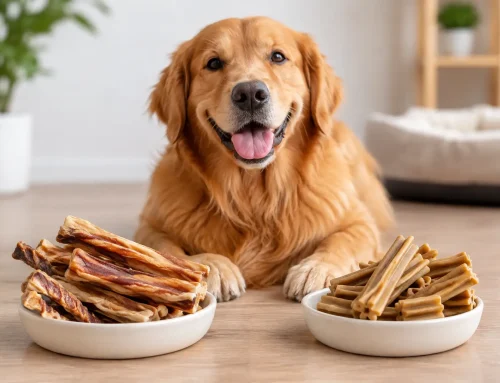
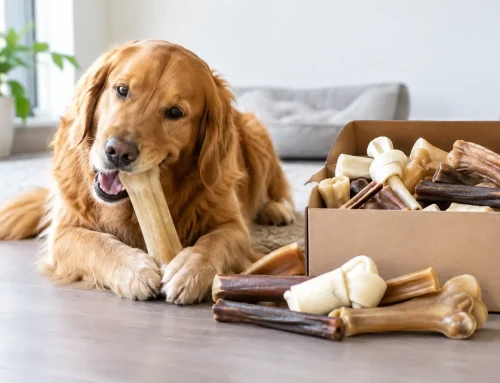
Sometimes the answer is not a bigger bone but a different chew format. Dogs who lose interest in a hard bone may enjoy a trachea, pizzle, tripe twist, backstrap, or jerky-style reward better. Dogs who race through softer treats may benefit from a more substantial, appropriately sized bone under supervision. Cal Premium’s range of USA-sourced natural chews makes it easier to match the reward to the pup in front of you, not just a generic size chart.
A Quick Pre-Chew Check
Before handing over a bone, take a moment to inspect it. Look for a size that exceeds your dog’s mouth width, a shape they can hold comfortably, and a chew-strength fit that matches their habits. Check the bone again after each session for cracks, loose pieces, sharp edges, or a worn-down size.
Your dog does not need the biggest chew on the shelf. They need one that feels satisfying in their paws, fits their personal chewing style, and stays appropriate from the first happy gnaw to the last. That thoughtful match is what keeps tails wagging and chew time feeling like the special reward it should be.