A good chew can turn a restless afternoon into quiet, tail-wagging satisfaction. Dog marrow bones are a classic choice for pups that love settling in with a substantial natural reward, but the best experience starts with choosing a bone that fits your dog’s size, chewing style, and routine.
For many dogs, the real joy is in the challenge: working at the flavorful marrow, carrying their prize to a favorite spot, and enjoying a chew that lasts longer than a quick snack. For pet parents, the appeal is just as clear. A thoughtfully selected natural bone can add variety to treat time and give your dog something genuinely exciting to focus on.
What Makes Dog Marrow Bones So Popular?
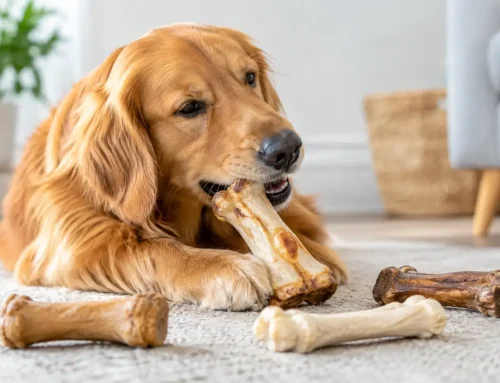
Marrow bones are beef bones with rich marrow at the center. They offer a hearty, protein-based chewing experience that feels like a royal treat to dogs who enjoy bones. Compared with soft training treats or thin jerky, a marrow bone is built for a slower session. That can make it a welcome option when your pup needs a rewarding activity after a walk, during downtime, or while the family is busy nearby.
They are also refreshingly straightforward. When you shop natural chews, ingredient clarity matters. Dog owners often prefer treats with recognizable animal-based ingredients over heavily formulated alternatives, and a quality marrow bone keeps the focus on the beef chew dogs know and love.
Still, no two dogs approach a bone the same way. A Labrador who methodically licks and gnaws may enjoy a different bone than a determined power chewer who puts every chew to the test. The goal is not simply to buy the biggest bone on the shelf. It is to choose one that gives your dog a satisfying challenge without creating an unnecessary risk.
Choosing the Right Marrow Bone for Your Dog
Start with your dog’s body size, then consider how they chew. A bone should be large enough that your dog cannot fit the entire thing in their mouth or easily swallow it. For a larger dog, a small bone can become a choking concern. For a smaller pup, an oversized, extra-dense bone may be frustrating rather than fun.
Chewing intensity matters just as much. Moderate chewers tend to lick, scrape, and work patiently at a bone. They may do well with a size and shape that offers an approachable chewing surface. Aggressive or power chewers can crack, splinter, or reduce certain chews faster, so they need closer supervision and a carefully matched product. Even a chew marketed for big dogs is not automatically right for every determined gnawer.
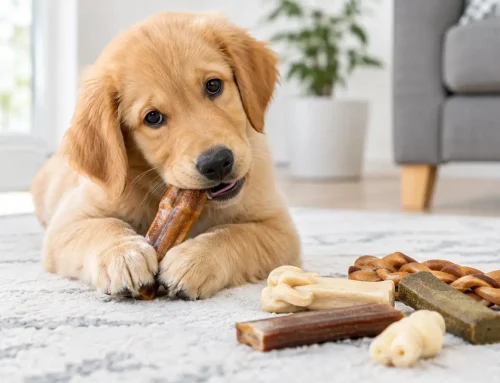
Age and dental history belong in the decision, too. Puppies with developing teeth, senior dogs, and dogs with dental concerns may need a softer chew option. Very hard bones can be tough on teeth, particularly for dogs that attack their treats with full force. If your veterinarian has raised concerns about your dog’s teeth, gums, digestion, or chewing habits, ask what type of chew makes sense before adding bones to the rotation.
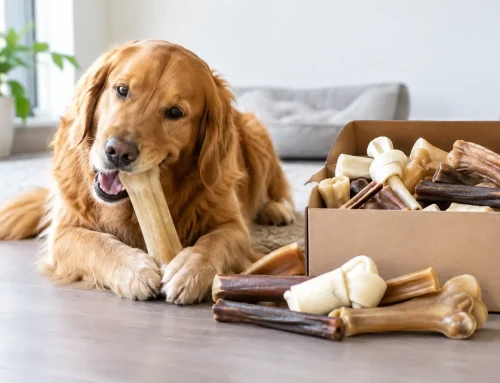
Shape can affect enjoyment as well. Some dogs love a classic center-cut marrow bone they can hold between their paws. Others may be more interested in a different natural chew format, such as trachea, pizzle, or jerky. Variety keeps treat time exciting and lets you match the reward to the moment. A long-lasting bone may be perfect for weekend lounging, while a smaller, softer treat may be better for a quick post-walk reward.
A quick size check before serving
Hold the bone next to your dog before offering it. It should look like a substantial chew, not a bite-sized object your pup could gulp. If you are between sizes, choosing the larger appropriate option is generally the safer call. Remove and replace the bone once it becomes small enough to swallow, breaks into sharp pieces, or shows excessive wear.
Safe Chewing Habits Keep Tails Wagging
Natural chews deserve the same common-sense attention as any special treat. Give your dog a marrow bone when you can supervise, especially the first few times. Watching how your pup handles it tells you far more than a label alone. Do they calmly lick and gnaw? Do they try to crunch through it immediately? Do they attempt to carry it off and swallow large pieces?
Choose a calm spot with a surface that is easy to clean. A mat, towel, or designated chew area can help keep the experience tidy. It also helps your dog understand that bones are a settle-down activity, not something to parade through the house or share with another pet.
Avoid giving one bone to multiple dogs at the same time unless they are fully separated. Even the sweetest pups can become possessive over a high-value chew. Individual chew time prevents tension and allows each dog to enjoy their reward at their own pace.
Fresh water should always be available. As with any new treat, introduce a marrow bone gradually and watch how your dog’s stomach responds. Rich marrow can be a big change for dogs that are used to lighter snacks. A shorter first session is a sensible way to see how your pup does.
If your dog develops vomiting, diarrhea, discomfort, or unusual behavior after a new chew, stop offering it and contact your veterinarian for guidance. And if your dog breaks off a large piece or tries to swallow a chunk, remove the remaining bone right away. Great chew time should feel enjoyable for both of you, not stressful.
How Often Should Dogs Have Marrow Bones?
That depends on the dog, the size of the bone, and the rest of their diet. Marrow is rich, so it is best viewed as an occasional, high-value reward rather than an everyday free-for-all. Dogs with sensitive stomachs, weight-management needs, or dietary restrictions may need smaller portions or a different natural chew entirely.
Think of treats as part of the day’s overall food intake. If your pup has had a marrow bone, you may want to keep other extras lighter that day. This approach makes room for the fun stuff while keeping regular meals at the center of your dog’s nutrition.
It also helps to set a time limit. Some dogs are happy after 10 or 15 minutes, while others would happily work at a bone for much longer. A short, supervised session can preserve the excitement for next time and reduce the chance that your dog overdoes a rich treat. Store the bone according to its package directions between sessions, and discard it if it becomes dirty, damaged, or questionable.
When Another Natural Chew May Be the Better Match
Marrow bones are not a one-size-fits-all answer, and that is perfectly fine. A dog with a sensitive digestive system may do better with a simpler, less-rich chew. A senior dog or gentle chewer may prefer a more flexible option. A power chewer may need a format selected specifically for their chewing strength and monitored extra closely.
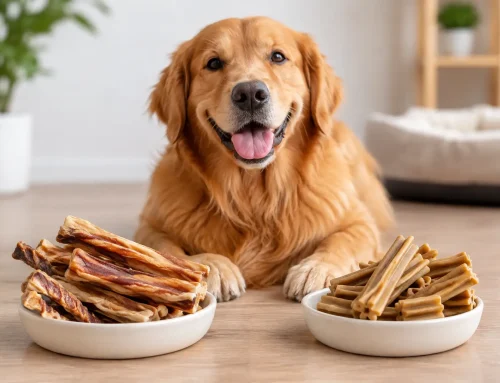
This is where a varied natural-chew lineup earns its place in the treat cabinet. Beef trachea offers a different texture, pizzles can provide a focused chewing project, and jerky makes an easy reward when you do not need a long session. Rotating appropriate chews can keep your dog interested without relying on one format every time.
At Cal Premium, the best chew is the one that matches the dog in front of you: their size, their enthusiasm, and their favorite way to enjoy a treat. USA-sourced, naturally satisfying options give pet parents a practical way to choose with confidence while giving pups the kind of reward that gets tails moving.
A marrow bone can be more than a treat at the end of the day. Offered thoughtfully, it becomes a little ritual of calm, enrichment, and well-earned canine happiness – one happy chew at a time.