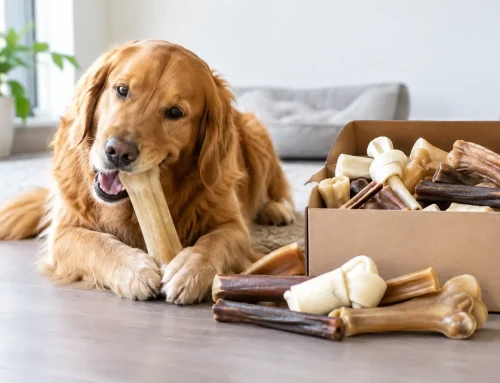
A chew that keeps your pup happily occupied can feel like a small household victory. When comparing pizzle chews versus dental sticks, the best choice depends on what matters most for your dog: a longer-lasting natural chew, a convenient dental-focused treat, or a little of both.
Pizzles, also called bully sticks, are protein-rich animal-based chews with a simple appeal: dogs love them, and many pups stay engaged with them longer than they would with a quick snack. Dental sticks are usually shaped, textured treats designed to help scrub at tooth surfaces as a dog chews. Both can earn a place in a tail-wagging treat routine, but they serve different purposes.
Pizzle Chews Versus Dental Sticks: The Main Difference
A pizzle chew is typically a single-ingredient beef chew. It is naturally firm, savory, and satisfying for dogs that enjoy working through a substantial reward. Chew time varies by the dog’s size, bite strength, and the thickness of the pizzle, but this format is often chosen for enrichment as much as for treating.
A dental stick is generally a formulated product. It may contain starches, plant-based ingredients, proteins, flavors, vitamins, and other ingredients that help create its shape and texture. Its grooves, ridges, or star-like design are intended to create contact with the teeth while your dog chews.
That distinction matters when you shop. If ingredient simplicity and an animal-protein chew are at the top of your list, a pizzle may be the better match. If you want a portion-controlled treat designed around a dental-care routine, a dental stick may fit more naturally into the day.
Neither format replaces regular veterinary dental care or tooth brushing. Still, the act of supervised chewing can be a welcome part of helping your dog maintain a healthy, happy routine.
Why Dogs Love Pizzle Chews
For many dogs, the biggest benefit of a pizzle is pure enjoyment. The natural aroma and chewy texture hold their interest, which can make these treats especially useful during quiet time, crate time, or a rainy afternoon when the backyard fun is on pause.
Pizzles also offer a straightforward ingredient profile. Pet parents who prefer recognizable, animal-based treats often appreciate knowing exactly what is in the bag. At Cal Premium, natural beef chews are made with the kind of quality and durability that helps turn an ordinary treat break into royal treatment for your pup.
Chew duration is another reason pizzles have loyal fans. A thin pizzle may suit a smaller dog or moderate chewer, while a thicker option can offer more of a challenge for a larger dog. That said, no chew is truly universal. An enthusiastic power chewer may finish a pizzle much faster than expected, while a gentle chewer may enjoy it over a longer session.
Pizzles can also be calorie-dense compared with some dental treats. They are rewards, not a replacement for a balanced meal, so factor them into your dog’s overall daily intake. For dogs on a veterinary-prescribed diet or with specific health needs, it is wise to check with your veterinarian before adding any new chew.
What Dental Sticks Do Well
Dental sticks are built for convenience. Their pre-portioned format makes it easy to offer one as part of a daily or several-times-weekly routine, depending on the product directions and your veterinarian’s guidance. Many dog owners like that consistency, especially when they are trying to build better dental habits for a busy household.
The shapes are not just for looks. As a dog bites and gnaws, the textured surface can create friction against the teeth. Some dental sticks are also formulated with ingredients intended to support fresher breath or help reduce plaque and tartar buildup as part of regular use.
The trade-off is that dental sticks are often more processed than a simple pizzle chew. Ingredient lists vary widely from brand to brand, so it pays to read the package. Look for a treat that suits your dog’s size, age, dietary needs, and food sensitivities. If your dog has reacted poorly to grains, certain proteins, glycerin, or other ingredients in the past, a dental stick may require more label-checking than a one-ingredient chew.
Dental sticks can also disappear quickly for some dogs. A fast eater may gulp through one before it provides much chewing enrichment. In that case, the treat may still work within a dental routine, but it may not be the best answer when your goal is to keep your pup occupied.
Which Chew Fits Your Dog’s Style?
Start with your dog’s actual chewing behavior, not just the size printed on the package. A petite dog with a determined bite can be a much more intense chewer than a larger, gentle pup. Choose a chew large enough that your dog cannot swallow it whole, and select a density appropriate for their experience and bite strength.
For a dog who loves to settle in and gnaw, a thicker pizzle can be a satisfying natural option. It provides the chewing experience many dogs crave and can be a high-value reward after training, grooming, or a successful day of being the very best pup.
For a dog that needs a predictable, easy-to-serve treat as part of a dental plan, a dental stick may be the practical pick. It can be particularly convenient for owners who want a consistent daily ritual, such as offering a dental treat after dinner.
Some homes use both. A dental stick can support a regular routine, while a pizzle is reserved for longer-lasting enjoyment on special occasions. This approach can work well as long as portions are managed and each treat fits within your dog’s dietary needs.
Puppies, seniors, and sensitive stomachs
Age matters. Puppies have developing teeth and may need softer, appropriately sized options. Senior dogs or dogs with worn, cracked, or painful teeth may also need gentler chews. A firm pizzle may be too challenging for some dogs, while certain dental sticks may be easier to manage.
Dogs with sensitive stomachs deserve extra consideration, too. A simple-ingredient pizzle can make it easier to identify what your dog is eating, but richer animal-protein chews do not agree with every stomach. Introduce any new treat gradually, offer a small amount first, and watch for digestive changes.
Safety Comes Before Chew Time
The happiest chew session is a supervised one. Stay nearby, particularly when offering a new type of chew or when your dog reaches the final small piece. Remove any piece that becomes small enough to swallow whole or develops sharp edges.
Always provide fresh water, and avoid giving multiple rich treats in one day. If your dog is a known gulping risk, has a history of digestive obstruction, or has dental concerns, ask your veterinarian which chew formats are appropriate.
Pay attention to the quality of the chew, too. Natural color, odor, and shape can vary with animal-based products, but the product should be clean, properly packaged, and stored according to its instructions. Choose a size made for your dog’s body and chewing habits rather than trying to stretch a smaller chew into a bigger-dog solution.
The Better Choice Is the One Your Dog Can Enjoy Safely
Pizzle chews shine when you want a natural, protein-forward reward that gives your dog something genuinely satisfying to work on. Dental sticks shine when you want an easy, structured treat with a dental-care focus. One is not automatically better than the other, because dogs, diets, and daily routines are wonderfully different.
Read the ingredients, match the size and chew strength to your dog, and supervise every session. A well-chosen chew does more than keep tails wagging – it gives your four-legged family member a moment that is all their own.