A chew that disappears in two minutes is hardly a treat, but one that is too hard can turn a happy chew session into the wrong match. The best chews for moderate chewers sit comfortably in the middle: substantial enough to keep your pup interested, naturally satisfying, and better suited to a dog who enjoys chewing without trying to conquer every treat in sight.
For many dogs, moderate chews are the sweet spot. They bring the rewarding texture, aroma, and flavor dogs love while giving pet parents a more thoughtful way to offer a long-lasting snack. The key is not choosing the biggest chew in the bag. It is choosing the right chew format, size, and density for the dog in front of you.
What Makes a Dog a Moderate Chewer?
A moderate chewer enjoys working on a treat but does not usually splinter, crush, or finish every chew at record speed. These dogs may gnaw steadily for several minutes, take breaks, carry their treat to a favorite spot, then come back for another round. They need more than a soft training treat, but they may not need the densest power-chewer bone available.
Chewing style matters more than breed alone. A small dog can be a determined chewer, while a large dog may be gentle and methodical. Pay attention to what happens with the chews your dog already enjoys. If they finish soft jerky almost immediately but spend quality time on a thicker beef chew, they are likely ready for moderate-chew options.
Age and dental comfort matter, too. Puppies with developing teeth, senior dogs, and dogs with known dental concerns may need gentler choices. When in doubt, ask your veterinarian what chew texture is appropriate for your dog’s individual needs.
Best Chews for Moderate Chewers: Formats to Consider
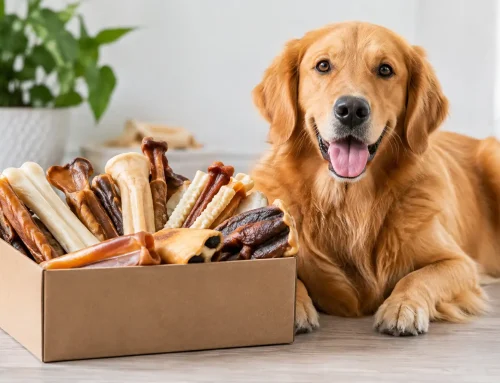
Natural chews are not one-size-fits-all. A moderate chewer often does best with variety, rotating through chews with different textures and durations rather than receiving the same extra-hard option every time.
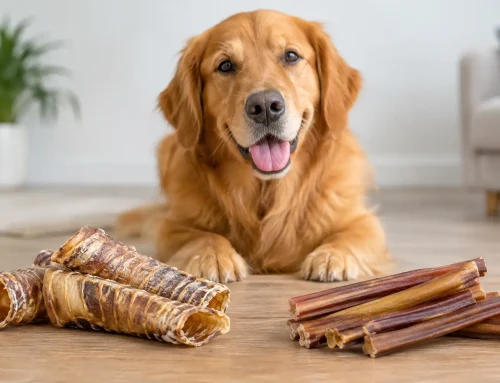
Beef trachea for crunchy, satisfying chewing
Beef trachea has a lighter, more textured feel than a dense marrow or femur bone. Its ridges and hollow shape give dogs plenty to explore, making it a fun choice for pups who like a crunchy chew with a little more give. It is often a smart starting point for moderate chewers because it feels rewarding without presenting the same level of density as a heavy bone.
Choose a size that your dog can hold and chew comfortably without swallowing it whole. As with every natural chew, supervise from the first bite through the final pieces.
Pizzles for focused chew time
Pizzles, also known as bully sticks, are a classic natural choice for dogs that enjoy settling in with a flavorful chew. They can offer a longer experience than quick snack-style treats, especially when you select a thickness and length that fit your dog’s size and chewing habits.
A thinner pizzle may be better for smaller or gentler dogs, while a thicker option can give a medium-to-large moderate chewer more to work on. The trade-off is simple: more thickness generally means more chew time, but it should still be manageable for your dog’s bite.
Backstrap for a hearty, flexible option
Beef backstrap can be an excellent middle-ground chew. It offers a firmer, meat-forward texture than jerky while remaining less dense than a substantial bone. Dogs who like to gnaw, soften, and savor their treats often respond well to this kind of natural chew.
Because every piece can vary naturally in shape and thickness, inspect each one before serving. Set aside pieces that seem too small for your dog or choose a larger format when your pup tends to work through treats quickly.
Tripe twists for texture-loving pups
Some dogs are motivated as much by aroma as by chewing resistance. Tripe twists bring an appealing scent and a twisted shape that can keep a dog interested longer than a flat, soft treat. They are a particularly nice option for moderate chewers who get bored with plain-looking snacks but do not need an ultra-dense chew to stay occupied.
Tripe twists may not last as long as a thick pizzle or bone, so think of them as a satisfying enrichment treat rather than an all-afternoon project. Their value is in the experience: natural flavor, intriguing texture, and a treat that gets tails wagging.
Rib bones for dogs ready for more substance
Rib bones can give moderate chewers a more substantial gnawing experience without automatically moving into the toughest chew category. They are best for dogs that have shown they can handle firmer natural chews thoughtfully and under supervision.
Not every moderate chewer is a rib-bone dog. If your pup has a habit of attacking hard chews with maximum force, a more flexible option may be the better call. Offer bones only when you can monitor your dog, and remove them if they become small enough to swallow or develop sharp edges.
How to Match the Chew to Your Dog
The right choice starts with your dog’s size, chewing pace, and previous chew experience. A chew should be larger than the part your dog could swallow whole, and it should suit the way they actually eat. A fast finisher may need a thicker or longer format. A dog who patiently nibbles may enjoy a lighter chew that gives them flavor and texture without overdoing the resistance.
Think about timing, too. A tripe twist can be perfect after a walk or as a special reward. A pizzle or backstrap may make more sense when you want your dog to settle on a mat while the family eats dinner. Bones are better reserved for supervised, dedicated chew time rather than handed out on the way out the door.
For households with multiple dogs, avoid assuming one chew suits everyone. The enthusiastic Labrador, the careful terrier, and the senior mixed-breed may all need different formats. Giving each dog a chew that matches their own style is part of the royal treatment.
A Simple Safety Routine for Natural Chews
Natural dog chews should always be treated as a supervised snack, not a set-it-and-forget-it toy. Watch your dog closely, especially the first few times they try a new chew type. This lets you see whether they gnaw calmly, attempt to gulp large pieces, or lose interest quickly.
Fresh water should be available during chew time. Remove small leftover pieces before they become a swallowing risk, and discard any chew that breaks into sharp fragments. If your dog has food sensitivities, check the ingredient information carefully and introduce one new protein or chew style at a time.
Moderation matters as much as chew strength. Treats and chews add calories to the day, so adjust regular meals when needed and use them as part of a balanced routine. A great chew is a happy extra, not a replacement for complete nutrition.
Why Natural Variety Keeps Chew Time Exciting
Dogs notice a change in texture, scent, and chewing challenge. Rotating natural beef and pork chews can help keep your pup interested while helping you learn what they truly enjoy. One dog may light up for savory tripe twists; another may happily carry a pizzle to their bed and get to work.
Cal Premium makes that rotation easier with all-natural, USA-sourced beef and pork chews made in Central California, including moderate-chew choices alongside options for more determined dogs. Whether you are shopping for one spoiled pup or stocking shelves with a varied natural-chew assortment, matching the product to the chewing style is what turns a treat into a repeat favorite.
The best choice is the one that leaves your dog content, safely occupied, and proudly chewing away – with just enough left to make the moment last.