A beef rib bone can turn a restless afternoon into a tail-wagging project. For dogs that love to settle in, brace their paws, and work at a satisfying natural chew, beef rib bones for dogs can be a rewarding option. The best choice is never just about picking the biggest bone on the shelf, though. It is about matching the chew to your pup’s size, habits, and bite strength – then staying close enough to keep chew time safe.
What Makes Beef Rib Bones for Dogs So Appealing?
Rib bones have a shape many dogs enjoy gripping. Their natural curves and ridges give pups places to hold, lick, and gnaw, which can make the experience feel more interesting than a smooth, uniform chew. They also offer a meaty aroma and flavor that tends to keep noses close and tails moving.
For pet parents, a properly selected rib bone can provide more than a quick reward. Chewing is a natural canine behavior that can help occupy a dog, ease boredom, and give them a positive outlet for that determined urge to gnaw. A quality natural chew also has a simple appeal: it is a real beef product, not a brightly colored mystery treat with a long list of artificial extras.
That said, “natural” does not mean every bone is right for every dog. Beef rib bones are a better fit for some pups than others, and thoughtful selection matters just as much as excitement at treat time.
Choose the Right Rib Bone for Your Dog
Start with your dog, not the package. A small dog needs a bone that is appropriately sized for their mouth, while a larger dog needs a chew they cannot easily fit entirely between their jaws. The bone should be large enough that your pup can work on it without swallowing it whole or trying to gulp down a dangerous chunk.
Chewing style is equally important. Moderate chewers may spend a long, happy session slowly working through a rib bone. Aggressive or power chewers can break down some bones much faster, so they need especially close supervision and a more cautious approach. If your dog has a history of cracking hard chews, swallowing pieces, or trying to finish every treat at record speed, a rib bone may not be the right match.
Age and dental health also play a role. Puppies still learning how to chew, senior dogs, and dogs with dental concerns may do better with softer formats. If your veterinarian has raised concerns about your dog’s teeth, digestion, or past choking incidents, ask before introducing any bone chew.
Size Is a Safety Feature, Not a Guess
A good rule is to choose a bone that is longer and wider than your dog can comfortably swallow. Do not offer a small rib section to a big dog simply because they are an enthusiastic chewer. Bigger jaws can make short work of small pieces.
It also helps to consider how your dog uses treats. A pup who patiently gnaws may handle a bone differently from one who carries it around, drops it, guards it, or attempts to swallow softened pieces. Knowing your dog’s habits is one of the most useful tools in your treat drawer.
Raw, Cooked, and Commercially Prepared Bones
One point deserves to be crystal clear: never give your dog a cooked bone from your dinner plate. Cooked bones can become brittle and are more likely to splinter into sharp pieces. Seasonings, sauces, garlic, onion, excess salt, and fatty leftovers can create additional problems for dogs.
Commercially prepared dog chews are made specifically for canine use, but they still require supervision. Preparation methods, bone density, size, and the individual dog’s chewing force all affect how a chew performs. Read the product label, follow any age or size guidance, and introduce a new chew when you have time to observe your pup.
A natural beef rib bone should be treated as a chew, not a meal replacement. It can be a special reward or an enriching part of your dog’s routine, alongside a complete and balanced daily diet.
How to Make Chew Time Safer
The first few minutes tell you a lot. Offer the bone in a calm space where you can watch how your dog approaches it. Some pups lick and nibble. Others go straight into power-chewer mode. If your dog is trying to crush the bone into sharp fragments or swallow large pieces, calmly remove it and choose a different type of chew next time.
Supervision should continue beyond the first introduction. Check the bone regularly for loose fragments, sharp edges, or pieces that have become small enough to swallow. When it reaches a size that could become a choking hazard, it is time to take it away – even if your pup makes an extremely convincing case with those big eyes.
Keep fresh water nearby, and give bone chews where you can easily clean up afterward. A washable mat, dog bed cover, or designated chew spot can help protect carpets and make the experience more relaxing for everyone.
For homes with multiple dogs, separate chew sessions are often the smarter move. Even best friends can become possessive around a high-value beef chew. Giving each pup their own space helps prevent rushing, trading, or arguments over the good stuff.
When a Different Natural Chew May Be Better
Beef rib bones are not an all-purpose answer, and that is perfectly okay. Dogs have different mouths, preferences, and chew strengths. A pup who needs something less hard may be happier with a more flexible natural chew. A dog who finishes a rib bone too quickly may need a larger, more durable option selected for their chewing intensity.
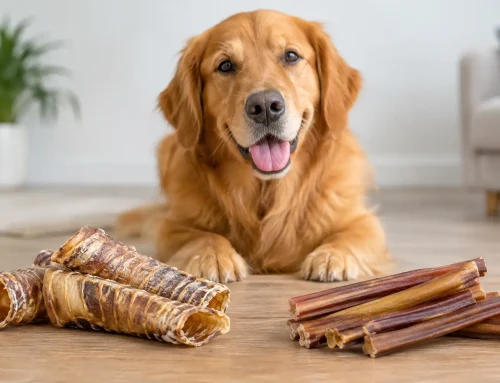
Variety can be helpful, too. Rotating appropriately sized natural chews can keep treat time exciting while helping you learn what your dog handles best. Some dogs love the long-lasting focus of a bone, while others prefer the texture of trachea, the chewiness of a pizzle, or the satisfying crunch of a different beef treat.
At Cal Premium, that match matters. Natural chews are most enjoyable when they fit the dog in front of you – from the gentle nibbler to the determined power chewer who considers every treat a serious assignment.
A Quick Checklist Before You Offer One
Before serving a beef rib bone, make sure it suits your dog’s size and chewing behavior, and confirm that the product is made for dogs. Offer it only when you can supervise, with plenty of water available. Remove it if it splinters, becomes too small, or your dog starts swallowing pieces rather than chewing them.
It is also wise to account for your dog’s overall daily intake. Rich chews can be a big treat, especially for smaller dogs or pups with sensitive stomachs. Start with a limited session, watch for any digestive upset, and adjust future chew time based on how your dog does.
Give Your Pup a Chew Worth Settling In With
The right beef rib bone can be a wonderfully simple kind of dog happiness: real beef flavor, a satisfying gnaw, and a quiet stretch of focused chew time. Choose carefully, supervise closely, and let your pup enjoy their royal treatment at a pace that works for them.