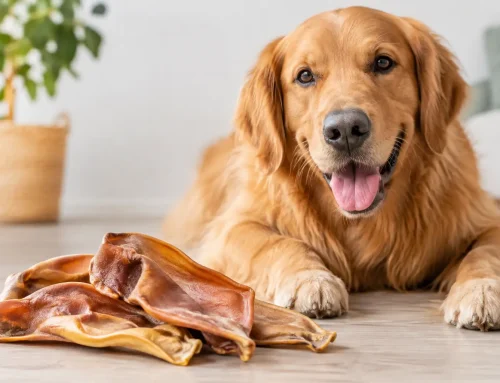
A good chew should do more than disappear in two bites. For pups who love a savory reward and owners who prefer recognizable, animal-based ingredients, the benefits of tripe twists for dogs can make them a smart addition to treat time. These naturally appealing twists offer a satisfying chewing experience while giving your dog a protein-forward reward that feels a little more special than an everyday biscuit.
Tripe has a reputation for being seriously tempting to dogs, and for good reason. Its rich aroma and meaty flavor can get tails wagging fast. When it is formed into a twist, that natural appeal comes with a chewable shape designed to keep interested dogs happily occupied.
What Are Tripe Twists?
Tripe is the edible lining of a ruminant animal’s stomach, most commonly beef. It may not sound glamorous to us, but dogs tend to see it very differently. Natural tripe is prized in dog treats for its distinct scent, hearty flavor, and animal-protein profile.
Tripe twists are strips of tripe shaped or braided into a twisted chew. The format gives dogs more texture to work through than a flat piece of treat. Exact size, thickness, density, and chew time will vary by product and by dog. A smaller pup with a determined chewing style may work at a twist longer than a large dog that prefers to gulp treats, so matching the chew to your dog’s habits matters.
Benefits of Tripe Twists for Dogs
A naturally irresistible reward
Some treats need a big sales pitch. Tripe usually does not. Its natural aroma is a major part of the appeal, particularly for dogs that turn their nose up at bland snacks or need extra encouragement during crate time, grooming, or quiet time at home.
That enthusiasm can make tripe twists useful as a high-value reward. Save them for moments when you want your pup to feel like royalty: after a bath, during a calm evening routine, or as a well-earned treat after practicing good manners. Because they are so flavorful, they can feel like a big celebration without requiring a pile of different ingredients.
Chewing that keeps dogs pleasantly busy
Dogs chew for many reasons. Some chew to explore. Some chew because the activity helps them settle. Others simply love the satisfying work of a natural, meaty chew. A twisted shape can add a little challenge, giving moderate chewers something interesting to grip, gnaw, and savor.
The right chew can create a welcome pause in a busy household. It will not replace walks, training, play, or attention, but it can be a useful enrichment tool between adventures. Give your dog a tripe twist in a comfortable, supervised space, and you may earn a few peaceful minutes while they focus on their favorite assignment.
A protein-based treat with a simple purpose
Dog owners who shop natural chews often want treats that are easy to understand. Tripe twists deliver an animal-based option with a straightforward role: a flavorful chew for rewarding and occupying your dog.
Protein is an essential nutrient in a complete canine diet, though a chew should not be treated as a replacement for balanced daily meals. Think of tripe twists as a complement to your dog’s regular food, not the centerpiece of the bowl. Their nutritional details can vary by recipe and processing method, so always check the product label for ingredients, feeding guidance, and calorie information.
Texture that adds enrichment
Texture matters to dogs. A crunchy biscuit, soft training bite, and chewy tripe twist each create a different eating experience. The ridges and folds of a twist can keep a dog engaged as they work through the chew, which makes it a more interactive reward than a treat swallowed immediately.
This is especially helpful for dogs that seem to finish ordinary snacks before you have even turned around. A tripe twist may offer a more satisfying pace, but expectations should stay realistic. No natural chew lasts the same amount of time for every dog. Jaw strength, body size, chewing style, and the individual product all play a role.
A convenient option for rotation
Dogs can get bored when every reward looks, smells, and tastes the same. Rotating suitable chew styles can keep treat time exciting while helping owners choose the right format for the moment. A tripe twist can be the savory, medium-engagement option in a rotation that also includes jerky, trachea, pizzles, or bones selected for your dog’s chew strength.
Rotation also helps you avoid relying too heavily on one kind of treat. Since every chew contributes to a dog’s overall daily intake, changing things up gives you more flexibility to manage portions while keeping tails wagging.
Choosing the Right Tripe Twist for Your Pup
Start with your dog’s size and chew style, not just what looks biggest or longest in the bag. A gentle or moderate chewer may enjoy a standard twist as a satisfying project. A power chewer may finish it quickly or need a different, more durable chew category for longer-lasting engagement.
Choose a size that is appropriate for your dog and large enough that it cannot be swallowed whole. If your dog is known for gulping treats, very small chews may not be the best choice. Consider offering the twist while holding one end for the first few moments if that helps you gauge how your dog handles it, but keep fingers clear of enthusiastic jaws.
Ingredient transparency matters, too. Look for a product with clear labeling and a short, understandable ingredient statement. For owners who prioritize domestic products, USA-sourced and USA-made natural chews offer another helpful point of confidence. Cal Premium produces natural dog chews in Central California with the simple, tail-wagging experience dogs love in mind.
Safe Treat Time Makes Every Chew Better
Even a great natural chew needs smart supervision. Watch your dog while they enjoy a tripe twist, especially the first time. Remove and discard small leftover pieces that could become a choking hazard, and make sure fresh water is always available.
Introduce new treats gradually. A dog with a sensitive stomach may do better with a small portion first rather than a full new chew added to an already treat-heavy day. If your dog has food sensitivities, digestive concerns, pancreatitis, or is on a veterinary diet, ask your veterinarian before adding tripe or any new animal-based treat.
Treats should also fit into your dog’s total daily calories. Those hopeful puppy-dog eyes are persuasive, but portion awareness helps keep rewards responsible. If your pup gets a tripe twist, you may want to scale back other snacks that day.
When Tripe Twists May Not Be the Best Fit
Tripe twists are not a universal answer for every dog. Their distinctive aroma is a huge win for many pups, but some pet parents may find it a bit too bold for the living room, car, or office. A designated chew spot and an easy-to-clean mat can help keep the experience pleasant for everyone.
They may also be too rich for dogs with certain dietary restrictions or sensitive digestion. And while the twist format provides enjoyable chewing, it is not necessarily the right pick for an aggressive chewer who can break down softer chews in moments. In that case, a tougher, size-appropriate natural chew may be a better match.
The best treat is the one your dog can enjoy safely, digest comfortably, and savor at a sensible pace. A tripe twist checks those boxes for many dogs because it brings together big flavor, engaging texture, and the simple joy of a natural chew. Choose thoughtfully, supervise closely, and let your pup enjoy every last tail-wagging bite.