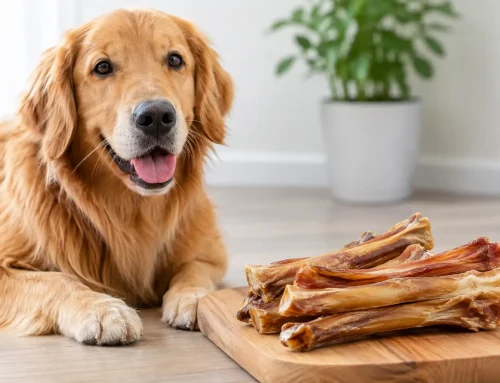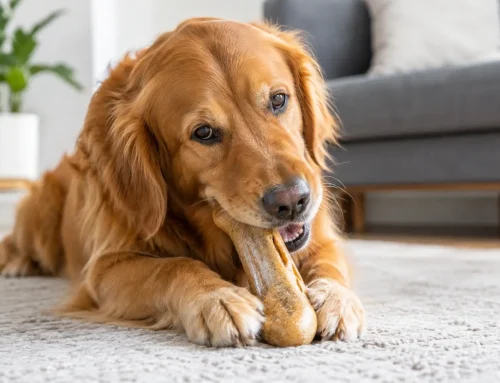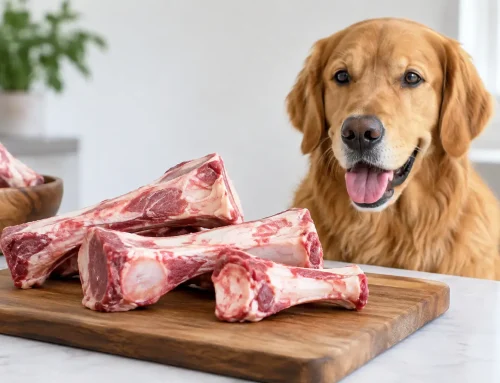
That hopeful stare when you open the treat bag says it all: your pup knows a good chew is more than a snack. Beef trachea gives dogs a satisfying crunchy-to-chewy experience made from a single, recognizable animal ingredient. For pet parents looking beyond highly processed treats, it is a natural option that can make quiet time, crate time, or a well-earned reward feel extra special.
What Is Beef Trachea?
Beef trachea is the windpipe of a cow. When it is cleaned, dried, and prepared as a dog chew, it becomes a lightweight, textured treat with a hollow center and ridged outer shape. That structure is a big part of the fun. Dogs can grip it easily, work at the edges, and enjoy the changing texture as they chew.
Natural trachea chews are typically made with one ingredient: beef trachea. That simplicity is appealing for owners who prefer treats with straightforward ingredient panels and want to know exactly what is going into the treat jar.
The chew has a different feel than a dense marrow bone or a hard femur bone. It often starts with a crisp snap, then softens as a dog works through it. This makes it an enjoyable middle-ground chew for many dogs, though every pup’s chewing style is different.
Why Dogs Get Excited About Beef Trachea
Dogs are natural chewers, and the right chew can provide a welcome outlet for that instinct. The appealing aroma, meaty flavor, and uneven texture of beef trachea tend to keep tails wagging longer than a quick biscuit reward. It gives pups a project, not just a bite.
For many households, that can mean a more content dog during a calm afternoon or while visitors are at the door. A chew should never be viewed as a replacement for exercise, training, or attention, but it can be a wonderful part of a well-rounded daily routine.
The hollow shape also makes trachea especially versatile. Some pet parents offer it as-is for a straightforward natural chew. Others add a small amount of dog-safe filling, such as a spoonful of plain pumpkin puree or a favorite wet food, then chill or freeze it for a longer-lasting enrichment treat. Keep portions sensible, particularly when adding extras, and account for treats in your dog’s overall daily feeding plan.
Is Beef Trachea the Right Chew for Your Dog?
The best answer is: it depends on your dog’s size, age, chewing habits, and experience with natural chews. A petite dog with a gentle chewing style may enjoy a smaller trachea as a satisfying treat, while a larger dog may work through the same piece much faster. A committed power chewer may need a denser, more durable option for extended chew sessions.
Beef trachea is often a good fit for moderate chewers who enjoy a flavorful, engaging chew without needing the toughest bone in the basket. It can also work well as a change of pace for dogs that usually enjoy beef jerky, tripe twists, or other natural beef treats.
Puppies, senior dogs, and dogs new to animal-based chews deserve extra consideration. Puppies may be enthusiastic but still learning how to chew safely. Senior dogs may have dental sensitivity or different chewing abilities. If your dog has a history of digestive sensitivity, swallowing treats quickly, dental concerns, or a special diet, ask your veterinarian whether a trachea chew makes sense for your individual pup.
Match the size to the dog
A chew should be large enough that your dog cannot swallow it whole or gulp down large sections too easily. Choose a size that matches your dog’s body size and chewing confidence, not just the size of the treat bag. When in doubt, sizing up and supervising closely is the smarter call.
Also consider the shape of the individual chew. Natural products are not machine-identical, which is part of their charm, but it means pieces can vary in length, thickness, and width. Look at each chew before offering it and select the piece that best suits your dog.
Know your dog’s chew style
Some dogs politely nibble. Others attack a chew with joyful, full-speed determination. If your dog regularly breaks down treats in minutes, monitor more closely and consider saving trachea for a shorter enrichment session rather than expecting an all-evening chew.
For aggressive or power chewers, a trachea can still be a tasty reward, but it may not be the longest-lasting selection. Pair your dog’s enthusiasm with an appropriate format from your chew rotation. Dense beef bones may be better suited for dogs that want a serious, long-haul chewing challenge.
How to Serve Beef Trachea Safely
Every natural chew deserves supervision. Stay nearby while your dog enjoys beef trachea, especially the first few times. Watching how your pup handles it tells you more than any label can about whether the size and chew type are a good match.
Remove the chew if it becomes small enough to swallow whole, splinters into sharp pieces, or creates a choking risk. While beef trachea is generally softer than hard weight-bearing bones, no chew is completely risk-free. Dogs can chew differently from one day to the next, so supervision is always part of responsible treat time.
Start with a modest amount if your dog has not had trachea before. Any new protein or rich treat can be an adjustment for some dogs. Offer it after your dog has eaten regular food rather than when they are extremely hungry and likely to rush. Fresh water should always be available.
When chew time is over, store unopened packages in a cool, dry place according to the product instructions. Once a chew has been slobbered on, do not leave it sitting around indefinitely. Discard it if it becomes overly soft, dirty, or develops an off smell. A fresh chew makes for a happier and cleaner experience for everyone.
A Natural Chew Rotation Keeps Things Interesting
Dogs appreciate variety, and rotating natural treats can help keep reward time exciting. Beef trachea brings a different texture and chew experience than a rib bone, pizzle, tripe twist, or strip of beef jerky. Offering different formats also helps you choose the right reward for the moment.
A quick training reward calls for something different than a settle-down chew. A leisurely weekend afternoon may be perfect for a more substantial option, while a trachea chew can bring welcome excitement to a shorter, supervised break. The goal is not to give every type at once. It is to build a thoughtful selection around your dog’s needs and your household routine.
For multi-dog homes, give each pup their own chew and separate them during treat time when needed. Even the sweetest dogs can become possessive around high-value goodies. A little space allows every dog to enjoy their royal treatment peacefully.
Choosing a Beef Trachea You Can Feel Good About
Ingredient transparency matters. Look for clearly labeled products with a simple ingredient statement and a source you recognize. For many pet parents, USA-sourced and USA-made chews add another layer of confidence, especially when they are choosing treats regularly for a beloved family member.
At Cal Premium, natural dog chews are made in Central California with the simple goal of delivering tail-wagging treats dogs love and owners can feel good about offering. Beef trachea is a flavorful addition to a natural chew assortment, whether you are stocking the pantry for one lucky pup or selecting retail-ready options for a pet store shelf.
Packaging matters, too. Choosing products in recyclable packaging can be one small way to make everyday treat time kinder to the planet. It is a practical consideration that fits naturally alongside quality ingredients and a chew your dog genuinely enjoys.
The best chew is the one that suits the dog in front of you. Choose the right size, supervise with care, and let your pup savor every crunchy, chewy, happily earned moment.