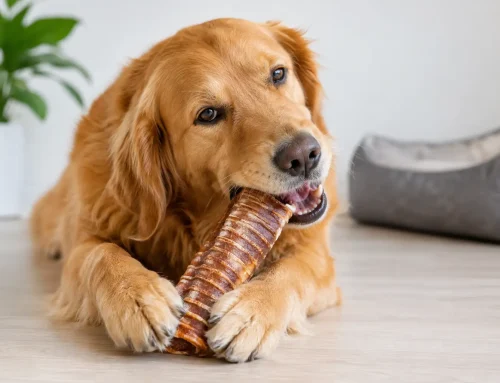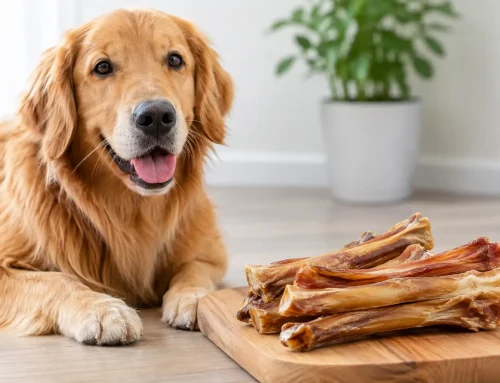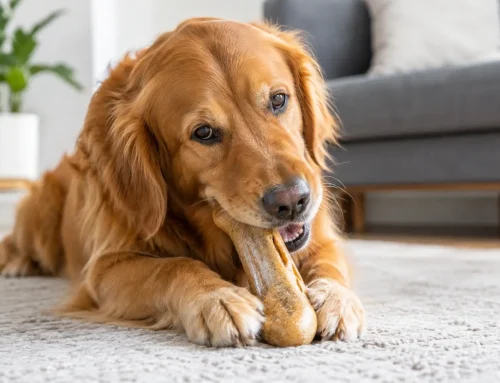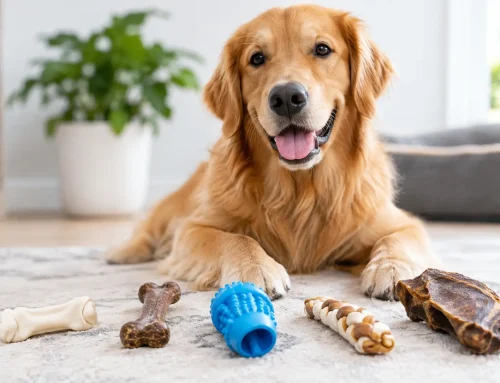
A great chew can turn a rainy afternoon, a crate break, or a post-walk wind-down into pure tail-wagging contentment. Beef bones are a favorite for good reason: they are substantial, naturally appealing, and made for dogs that love settling in with a serious reward. The best bone is not simply the biggest one on the shelf, though. It is the one that fits your dog’s size, chewing style, and ability to enjoy it under your watchful eye.
For pups who treat every chew like a personal mission, the right bone can offer satisfying enrichment and a delicious way to spend downtime. For owners, choosing carefully helps make chew time feel like the royal treatment it should be.
Why Dogs Love Beef Bones
Dogs do not need much convincing when a natural beef bone arrives. The familiar scent, rich flavor, and satisfying texture invite them to chew, lick, and stay happily occupied. Unlike quick snacks that disappear in a few bites, a well-matched bone can give a dog a longer-lasting chewing experience.
That staying power matters. Chewing gives many dogs a productive outlet for natural instincts, particularly when they need a calm activity between walks, during quiet evenings, or while the family is busy. It can also make an ordinary day more interesting for a dog that thrives on variety.
Natural bones are not all identical, which is part of the fun. Marrow bones, femur bones, and rib bones vary in shape, density, and the way dogs engage with them. A bone your neighbor’s gentle senior dog loves may not be the best match for a young power chewer. Matching the format to the dog is where smart shopping begins.
Choosing Beef Bones by Chewing Style
Your dog’s chewing habits should lead the decision. A moderate chewer usually works steadily, enjoys flavor and texture, and is unlikely to attack a chew at full force. An aggressive or power chewer may clamp down hard, work through treats quickly, and need a more substantial option that matches that enthusiasm.
For moderate chewers
Rib bones and other lighter bone formats can be a satisfying choice for dogs that enjoy chewing without trying to conquer every treat in record time. These can offer plenty of flavor and interest while keeping chew sessions appropriately matched to a less intense chewing style.
Moderate chewers still need supervision. A dog’s approach can change depending on excitement level, age, or the novelty of the treat. The label and product guidance should always come before assumptions based on breed or size alone.
For aggressive and power chewers
Dogs with serious jaw power often do best with larger, denser formats designed for a more determined chewing experience. Femur bones and marrow bones are popular choices for larger dogs and confident chewers because they provide a substantial format to work on.
Density is not a promise that a bone is right for every dog. Some dogs chew with such intensity that even a tough option can become unsuitable. If your pup is trying to crack down on a bone rather than gnaw and lick at it, choose carefully, supervise closely, and remove the chew if it shows signs of breaking down into risky pieces.
Size Is a Safety Feature, Not a Detail
A bone should be large enough that your dog cannot fit the whole thing in their mouth or swallow it. This is one of the simplest ways to make a better choice, yet it is easy to overlook when a pup is eagerly waiting for a treat.
Use your dog’s current size, not their puppy size or expected adult weight. Consider the width of their mouth, the size of their jaw, and how quickly they finish other chews. When you are between sizes, choosing the larger appropriate option is often the more cautious route.
Shape matters, too. Long bones, round marrow bones, and irregular rib bones create different chewing experiences. A dog that loves holding a chew between their paws may favor one shape, while another may be more interested in reaching flavorful marrow. There is no one-size-fits-all winner – just the best fit for the dog in front of you.
A Safe Beef Bone Routine
Natural chews deserve the same attention you give your dog’s meals. Before handing over a new bone, inspect it for sharp edges, unusual cracking, or pieces that look loose. Then make the first session a supervised one so you can see how your dog handles it.
Keep these four habits part of every bone session:
- Choose a bone that is appropriately sized for your dog’s weight, mouth, and chewing strength.
- Supervise while your dog chews, especially with a new format or an enthusiastic power chewer.
- Remove the bone if it becomes small enough to swallow, splinters, develops sharp edges, or creates a choking hazard.
- Follow the package directions for use and storage, and provide fresh water nearby.
It also helps to set a time limit. Some dogs become so thrilled with a favorite bone that they would happily chew far longer than is sensible. Shorter, monitored sessions can keep the reward special while letting you check the bone’s condition regularly.
If your dog has dental concerns, digestive sensitivity, a history of gulping treats, or any condition that affects chewing, ask your veterinarian which chew formats make sense. Beef bones are a treat, not a replacement for a balanced diet or professional dental care.
What to Look for in a Natural Bone Chew
Ingredient transparency is a good place to start. Dog owners who choose natural treats want to know what their pups are enjoying, without a long list of mystery ingredients. A simple, beef-forward chew made with quality sourcing can make treat time easier to feel good about.
Origin matters, too. USA-sourced and USA-made products offer a clear quality signal for shoppers who want to know where their dog’s chew comes from. At Cal Premium, natural beef chews are made in Central California with the goal of giving dogs a flavorful, long-lasting reward and giving their people a purchase they can feel confident about.
Packaging deserves a look as well. A quality chew should arrive protected and clearly labeled, with product details that help you identify its chew category and intended use. For households that care about reducing waste, recyclable packaging is another welcome part of choosing treats with more care behind them.
Remember that natural products can vary in color, shape, and texture. That variation is normal. What matters most is selecting a properly sized chew from a trusted source, then checking each individual bone before it reaches your dog’s paws.
Retail Packs or Bulk Cases?
For a first-time purchase, an individual retail pack is a practical way to learn what your dog likes. You may discover that your pup goes wild for marrow bones but takes a more casual approach to ribs. Trying a format before stocking up can save space and help you build a treat rotation that stays exciting.
For multi-dog homes, kennels, groomers, pet stores, and dog-focused businesses, bulk cases can make more sense. A varied natural-chew assortment lets you offer options for different dog sizes and chewing strengths rather than treating every customer or every pup the same.
Rotation is helpful even when your dog already has a clear favorite. Alternating appropriate chew types can keep treat time fresh while letting you select the best option for the moment – a lighter reward for a quiet afternoon or a more substantial chew for a dog with energy to spare.
Beef Bone Questions Dog Owners Ask
Are beef bones good for puppies?
It depends on the puppy’s age, size, chewing behavior, and the specific product. Puppies can be enthusiastic chewers, but their developing teeth and tendency to gulp mean careful supervision and an appropriately sized chew are essential. Follow the product’s age guidance and consult your veterinarian if you are unsure.
Can a dog have a beef bone every day?
Treat frequency depends on your dog’s overall diet, calorie needs, and how they handle chews. Bones should fit into a balanced feeding routine rather than crowding out regular meals. A dog that gets overly intense with bones may benefit from shorter or less frequent sessions.
When should I throw a bone away?
Remove it when it becomes small enough to swallow, develops sharp edges or cracks, or no longer looks safe for your dog to chew. When in doubt, toss it. Your pup may give you a disappointed look, but safety earns plenty of extra tail wags later.
The right bone is not about choosing the toughest or largest option. It is about noticing how your dog chews, selecting a quality natural treat that fits, and staying nearby while they enjoy every well-earned bite.