Puppies do not just chew because they are being mischievous. Chewing helps them explore a brand-new world, work through teething discomfort, and settle into quiet time at home. The best rawhide alternatives for puppies give that busy little mouth something satisfying to do while letting you stay thoughtful about size, texture, ingredients, and supervision.
A chew that works beautifully for one pup may be too tough, too small, or too rich for another. Your Labrador puppy and your neighbor’s tiny Yorkie are not shopping from the same chew aisle. Start with your puppy’s age, mouth size, chewing style, and experience with treats, then choose a natural option that matches the moment.
Why Puppy Chews Need a Different Approach
Puppy teeth are temporary, but that does not mean they are indestructible. During teething, many pups want to gnaw with serious determination, yet their mouths are still developing. Very hard chews can be a poor match for young puppies, especially enthusiastic little power chewers who do not know when to quit.
Rawhide can also be a question mark for owners who prefer simpler, more recognizable ingredients. Some rawhide products are heavily processed, and any chew that is swallowed in oversized pieces can create trouble. That is why supervision matters no matter what is on the menu. A natural chew is not a hands-off chew.
The goal is not to find the longest-lasting chew at all costs. It is to find one your puppy can enjoy appropriately: substantial enough to engage them, sized for their mouth, and easy for you to monitor. For young pups, softer or more flexible formats often make a better starting point than dense, weight-bearing bones.
Rawhide Alternatives for Puppies to Consider
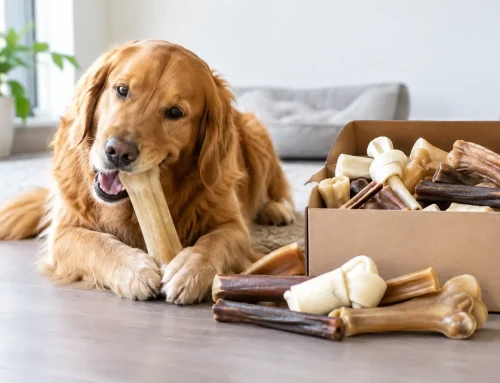
Natural animal-protein chews come in a wide range of textures. That variety is good news for puppy parents, because you can try a few formats and learn what earns the happiest tail wag.
Pizzle chews
Pizzles, sometimes called bully sticks, are a popular rawhide alternative because they are single-ingredient, protein-rich chews with a texture many dogs find irresistible. They can be more flexible than dense bones, particularly in thinner or smaller sizes, which may make them a sensible option for a puppy ready for a longer chew session.
Size is the deciding factor. Choose a chew that is longer and wider than your puppy can swallow, and remove the last small piece before it becomes a gulping risk. If your pup attacks a pizzle like it is a personal mission, offer it for shorter, supervised sessions instead of letting them work on it for an hour.
Beef trachea
Beef trachea has a naturally hollow, crunchy-to-chewy structure that can appeal to moderate chewers. It is generally less dense than a femur bone and provides a different experience than a straight stick-shaped chew. For puppies already comfortable with natural treats, an appropriately sized trachea can be a fun change of pace.
Because pieces can soften as they are chewed, keep an eye on how your puppy handles them. Some pups nibble politely. Others try to finish every treat at record speed. The chew should always match the dog in front of you, not the description on the package alone.
Beef jerky and backstrap-style treats
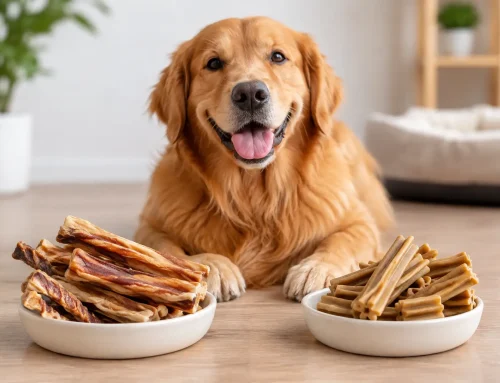
For very young puppies, softer dried treats can be the better place to begin. Beef jerky or thinner backstrap-style pieces offer rewarding flavor without asking a new puppy to tackle an extra-hard chew. These are especially useful for crate practice, calm-time rewards, or introducing your pup to natural beef treats in smaller portions.
They may not keep a determined chewer busy as long as a pizzle or trachea, but that is not a drawback. A short, positive chewing session still counts as enrichment, and softer options can be easier to portion for little pups with little bellies.
Tripe twists
Tripe twists bring a distinctive aroma that can win over picky puppies in a hurry. Their shape and texture make them an engaging option for dogs that like to work at a chew without taking on something extremely hard. As with any richer animal-protein treat, introduce them gradually and watch for digestive changes.
A puppy’s stomach is still learning the ropes. When trying a new chew, offer a small amount first and avoid introducing several new treats in the same week. That makes it easier to see what agrees with your pup.
Chews to Save for When Your Puppy Is Older
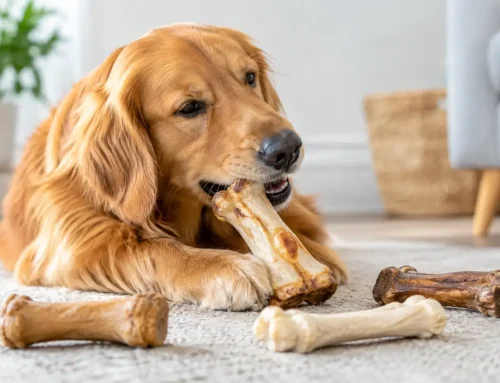
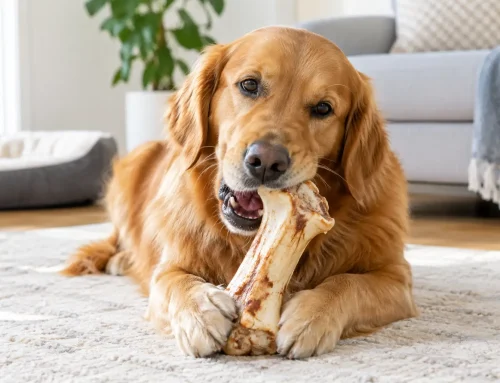
Big marrow bones, femur bones, and dense rib bones can be tail-wagging favorites for adult dogs, particularly experienced aggressive chewers. For puppies, however, hard bones are often a better fit later, after their adult teeth have come in and your veterinarian agrees they are appropriate for your dog.
The same goes for oversized chews selected only because they promise long-lasting entertainment. Duration is not the only measure of a great chew. A puppy-safe choice may be shorter-lived, softer, and easier to manage – and that is exactly what growing dogs need.
If your pup is a large breed or seems determined to chew through everything, resist the urge to jump straight to the toughest option. Instead, move up gradually in size and texture while supervising closely. A chew-strength label can help you narrow the field, but age and dental development still come first.
How to Pick the Right Chew for Your Pup
Before opening a new bag, consider four practical details: your puppy’s size, their age, how intensely they chew, and whether they have handled similar treats before. A three-month-old small-breed puppy needs a very different chew than an eight-month-old shepherd mix with adult teeth arriving fast.
Look for simple ingredient panels and choose treats made for dogs from ingredients you recognize. USA-sourced and USA-made natural chews are a meaningful quality signal for owners who want more confidence in what goes into their pup’s treat time. Cal Premium offers a range of natural beef and pork chews, making it easier to move from softer moderate-chewer options to more substantial formats as your dog matures.
Portion also matters. Treats should complement a complete puppy food, not crowd it out. A high-value chew can be rich, so account for it in your puppy’s daily food intake and keep fresh water nearby. If your puppy has food sensitivities, a sensitive stomach, dental concerns, or a history of gulping, ask your veterinarian for guidance before adding new chews.
Make Chew Time Safer and More Rewarding
The simplest safety rule is also the one busy puppy households forget: stay nearby. Give chews in a calm space where you can watch how your pup bites, licks, tears, and swallows. Avoid handing out a new chew when you are rushing out the door or settling in for the night.
Take the chew away when it becomes small enough to swallow whole, starts splintering, or becomes sticky and ragged. If your puppy is trying to gulp chunks instead of chewing them, that format is not the right fit right now. Trade it for a different style and try again another day.
For a little extra enrichment, reserve special chews for moments when you want your puppy to practice settling down. A supervised chew during a quiet afternoon can turn a restless pup into a contented one. Keep the experience positive – no teasing, no grabbing the chew away without a trade, and no competing with children or other pets for space.
A Growing Puppy Will Change Their Mind
The chew your puppy loves this month may not be the best choice next month. Teething shifts, adult teeth emerge, chewing strength increases, and preferences become wonderfully obvious. That is normal. Rotate appropriate textures, pay attention to how your pup handles each one, and let their needs guide your next pick.
The sweetest part of choosing a puppy chew is seeing that satisfied post-chew nap. Choose thoughtfully, supervise closely, and give your growing pup a natural treat that makes those little tails wag with confidence.