The treat pouch comes out, your pup’s ears pop up, and suddenly that loose-leash walk has their full attention. That little moment is why all natural training treats for dogs matter. The right reward is not just tasty. It is small enough to use often, simple enough to feel good about offering, and exciting enough to make your dog want to try again.
Training asks for repetition. Sit, stay, touch, come, leave it, settle, heel – each skill gets stronger through clear timing and a reward your dog truly values. For many pet parents, choosing natural treats is part of giving that royal treatment without turning every practice session into a pile of mystery ingredients.
What Makes a Good Training Treat?
A training treat has one job: help your dog understand that a behavior was worth repeating. It does not need to be large to be meaningful. In fact, smaller rewards often work better because you can reinforce several successful repetitions without slowing the session down.
Look for treats with a short, recognizable ingredient list and an aroma your dog notices right away. Beef, pork, tripe, and other protein-forward options can be especially motivating for dogs who lose interest in dry, bland rewards. The best choice depends on your pup, though. A food-motivated Labrador may happily work for a tiny piece of jerky, while a more selective dog may need a richer-smelling bite for recall practice around distractions.
Texture matters, too. Soft or easily breakable treats are ideal when you need to reward fast. A treat that takes a minute to crunch through may be delicious, but it can interrupt the rhythm of a training session. Save larger, longer-lasting chews for quiet time after the lesson.
Simple Ingredients, Clear Choices
“All natural” should never mean guessing. Read the package and know what you are offering. Natural protein-based treats can be a straightforward choice for owners who want to avoid heavily complicated reward routines. If your dog has known food sensitivities, check every ingredient and speak with your veterinarian about the best protein options for their needs.
Natural treats are not automatically the right fit for every dog or every moment. Richer treats may need smaller portions for dogs with sensitive stomachs, and puppies or seniors may prefer softer textures. The goal is not to find one magic snack. It is to build a reward routine that fits your dog’s age, appetite, activity level, and dietary needs.
How to Use All Natural Training Treats for Dogs
Treat timing is often more powerful than treat size. Deliver the reward within a second or two of the behavior you want to encourage. If your pup sits, mark that success with a cheerful “yes” or click, then give the treat right away. This helps connect the reward to the action, rather than to whatever happens next.
Keep early sessions short and upbeat. A few minutes of focused practice can be more productive than a long session where your dog gets tired or distracted. End while your pup is still eager, then let them relax, play, or enjoy a satisfying chew.
For everyday cues, break treats into pea-sized pieces whenever the format allows. Your dog will care far more about the quick reward and your happy attention than the size of each bite. Smaller pieces also help you manage total treat intake, especially during puppy classes, neighborhood walks, or busy days with lots of practice.
Use your highest-value treats strategically. A simple reward may be enough for practicing “sit” in the kitchen. Outside, where squirrels, smells, and passing dogs compete for attention, bring out the more exciting protein-rich treat. Matching the reward to the difficulty tells your pup that choosing you is always worth it.
Match the Treat to the Training Moment
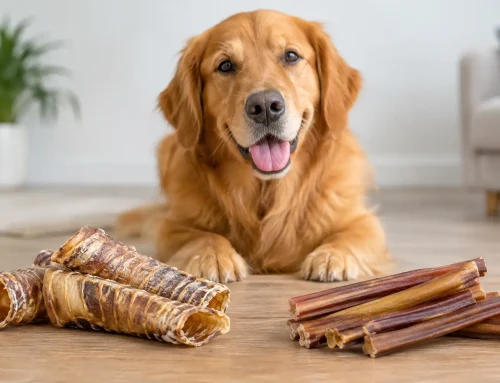
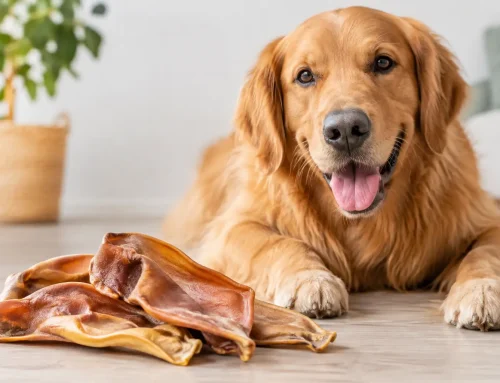
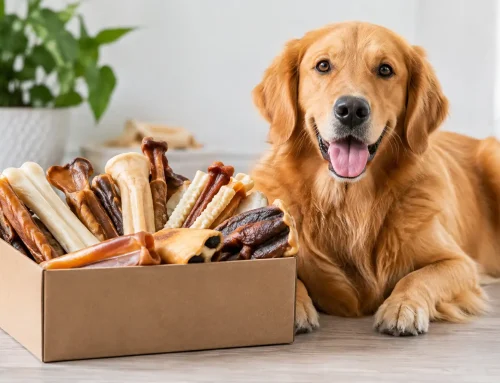
Different formats can earn a place in your dog’s treat lineup. Small, easy-to-break beef jerky pieces can work well for quick repetitions. Protein-rich tripe may bring extra enthusiasm to a dog who needs a little more motivation. Pizzle and other firmer natural chews are better suited to post-training downtime, when your pup has earned a longer, satisfying project.
That distinction is worth making. Training treats should support quick communication. Long-lasting chews support enrichment, relaxation, and healthy chewing habits. Both can be part of a happy routine, but they serve different purposes.
For a puppy, choose appropriately sized pieces and keep every session supervised. Young dogs are learning how to chew as well as how to follow cues. For an adult power chewer, a durable chew can be a wonderful reward after a solid training session, but it should be selected for the dog’s size and chewing style. Always supervise chew time and remove small pieces that could become a choking hazard.
Portion Control Keeps the Fun Going
Treats are rewards, not a replacement for a balanced daily diet. When training is frequent, account for treats in your dog’s overall food intake. You can reduce their meal portion slightly when needed, or use part of their regular meal alongside higher-value natural treats during lower-distraction practice.
This does not mean training has to feel stingy. It means being smart about frequency. One tiny bite can celebrate a great choice just as effectively as a large piece, especially when it is paired with praise, a quick game, or permission to sniff that fascinating patch of grass.
Watch how your dog responds over time. Healthy enthusiasm is great. Digestive upset, itchiness, or changes in appetite mean it is time to pause and reassess the treat. Introduce new proteins gradually, particularly if your pup is used to a limited diet.
Make Treats Part of a Bigger Reward System
Food is powerful, but it is not the only thing dogs enjoy. A well-rounded training routine blends natural treats with affection, play, sniff breaks, toys, and access to the things your dog wants. After a successful recall, for example, reward with a treat and then let your pup go back to exploring when it is safe. They learn that coming when called does not always end the fun.
This approach is especially useful as a skill becomes reliable. In the beginning, reward often so your dog understands the game. As confidence grows, vary the reward. Sometimes offer a tiny jerky piece, sometimes a happy tug session, sometimes a cheerful “good pup” and a chance to investigate the trail ahead. The unpredictability keeps training bright without making your dog wonder whether they did the right thing.
Natural Rewards for Home, Walks, and Big Wins
Keep a small container of training treats where real life happens: near the front door, in a walk bag, or in the car for safe arrival practice. The best training opportunities are often unplanned. A calm greeting when a guest arrives, a pause before crossing the street, or four paws on the floor instead of jumping all deserve recognition.
For pet parents who prefer USA-sourced, protein-forward rewards, Cal Premium offers natural beef and pork treat and chew options made in Central California. Select an easily portioned treat for training, then choose a chew format that matches your dog’s chewing strength for a well-earned wind-down afterward.
A treat is a tiny promise to your pup: I saw that good choice. Keep the ingredients clear, the pieces small, and the praise generous, and those everyday lessons can become the tail-wagging moments you both look forward to.