A good bone can turn a quiet afternoon into a tail-wagging event. But dog bone safety is never just about handing your pup the biggest chew on the shelf. The right choice depends on your dog’s size, age, chewing style, dental health, and ability to settle in with a chew instead of trying to finish it in record time.
Natural bones and chews can be a rewarding part of a dog’s routine. They offer a satisfying outlet for normal chewing behavior and can keep eager jaws happily occupied. Still, no chew is zero-risk. A little planning, close supervision, and knowing when to take a bone away help keep the experience fun for everyone.
Dog Bone Safety Starts With the Right Match
The best bone for one dog may be a poor match for another. A small, gentle chewer may do well with a chew that would disappear too quickly for a large power chewer. Meanwhile, a determined dog with serious jaw strength may need a larger, more durable option that cannot be easily crunched into swallowable pieces.
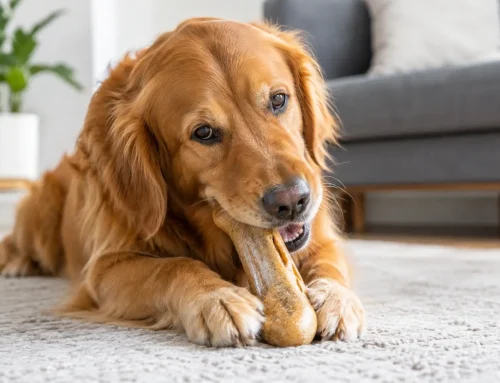
Start with the size rule: choose a bone that is larger than your dog can fit fully inside their mouth. If a chew is small enough to be swallowed whole or carried off in a single gulp, it is too small for that dog. Larger dogs generally need substantial bones and chews, while smaller pups need appropriately sized options that are still too large to swallow.
Chewing intensity matters just as much. A moderate chewer often works patiently through a chew, nibbling and gnawing over time. An aggressive or power chewer may bite down hard, break off pieces quickly, and try to conquer a bone in one enthusiastic session. Match the chew to the dog’s actual behavior, not just their weight. A 35-pound bulldog and a 35-pound retriever may chew very differently.
For puppies, senior dogs, and dogs with known dental concerns, check with your veterinarian before introducing hard chews. Young mouths are still developing, and older dogs may have worn teeth, gum sensitivity, or dental issues that make certain products a less comfortable choice.
Consider Texture, Not Just Size
Hardness is part of the equation. Dense, long-lasting bones can be a great fit for experienced adult chewers when selected correctly, but they are not ideal for every dog. If your pup has a history of cracked teeth, tends to bite with all their force, or seems uncomfortable while chewing, move toward a different chew style and ask your vet for guidance.
A useful at-home check is to watch how your dog approaches the chew. Calm licking, gnawing, and working around the edges are generally better signs than frantic chomping or attempts to split the bone immediately. The goal is an enjoyable chewing session, not a competition between your dog’s teeth and a rock-hard treat.
Supervision Is the Heart of Dog Bone Safety
Even a well-matched bone needs an adult nearby. Supervision is not simply being in the same house while your dog chews in another room. Stay close enough to notice whether your pup is chewing normally, breaking off unusually large pieces, coughing, gagging, or trying to swallow a chunk without chewing.
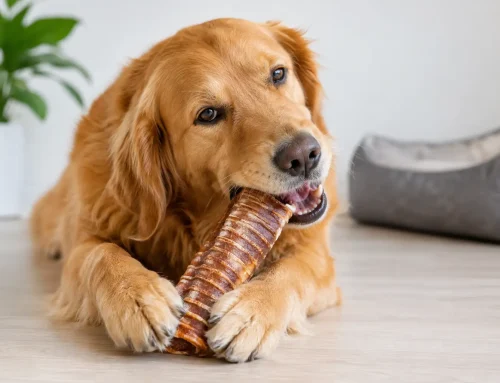
Introduce a new chew when you have time to watch. Dogs can surprise you, especially when something smells delicious. A pup who usually takes their time with a trachea or pizzle may get extra excited about a meaty bone and chew more aggressively than usual.
Chewing sessions do not need to last all day. Some dogs benefit from shorter, supervised sessions, especially when they are first learning how to enjoy a new format. When the chew has become small enough to swallow, has sharp edges, or is breaking into pieces your dog could gulp, take it away. It is much better to retire a favorite chew early than to risk an emergency later.
Watch for these signs that a chewing session should stop right away:
- Your dog is coughing, gagging, pawing at their mouth, or struggling to breathe.
- The bone has splintered, cracked into sharp pieces, or become small enough to swallow.
- Your dog is trying to gulp down large chunks rather than chewing them.
- Your dog shows pain, bleeding gums, or suddenly avoids chewing on one side of the mouth.
If you suspect choking, an obstruction, or a broken tooth, contact your veterinarian or an emergency veterinary clinic promptly. Do not try to reach deep into a dog’s throat unless you can clearly see and safely remove the item.
Skip Cooked Table Bones
One of the clearest safety rules is also one of the easiest to overlook: do not give dogs cooked bones from your plate. Cooked poultry, pork, beef, and fish bones can become brittle and may splinter into sharp fragments. Those pieces can injure a dog’s mouth, throat, stomach, or intestines.
That is very different from buying a dog-specific natural chew made and sized for canine chewing. Purpose-made dog bones are selected and prepared as treats, not leftovers from a family meal. Still, the same smart habits apply: choose the right size, supervise closely, and remove the chew when it is no longer safe to enjoy.
Avoid bones that have been sitting outside, buried in the yard, or passed between multiple dogs. Dirt, bacteria, moisture, and rough handling can make an old chew less appealing and less suitable. Store unopened treats in a cool, dry place and follow product storage directions after opening.
Make Chews Part of a Balanced Routine
Bones are treats, not a replacement for complete daily meals. Their calories count, particularly for smaller dogs or pups working toward a healthier weight. If your dog enjoys a rich, protein-packed chew, keep the rest of the day’s treats lighter and adjust portions as needed.
New chews can also cause digestive upset in some dogs. Introduce one new product at a time, particularly if your pup has a sensitive stomach. Start with a shorter session and monitor for vomiting, diarrhea, constipation, or changes in appetite. If symptoms are persistent or severe, stop offering the product and call your veterinarian.
Dogs with food allergies, pancreatitis, prescription diets, or other medical needs deserve extra care. Ingredient transparency helps owners make confident choices, but your vet is the best resource for deciding whether a particular protein or rich chew belongs in your dog’s routine.
Keep Multi-Dog Homes Calm
In homes with more than one pup, bones can bring out resource guarding, even in dogs who usually share toys beautifully. Give chews in separate rooms, crates, or clearly spaced areas so each dog can relax. Pick up leftovers before dogs reunite.
Never reach for a bone while a dog is actively guarding it. Instead, use a calm trade: offer a higher-value treat at a safe distance, wait for the dog to move away, then remove the chew. Building positive trade habits protects both people and pups.
Choose Quality With Your Dog in Mind
A natural chew should feel like a treat you can feel good about offering, not a mystery item from an unknown source. Look for clearly identified ingredients, dependable manufacturing, and chew options organized by size or chewing strength. USA-sourced, thoughtfully made products give pet parents another useful quality signal when choosing what goes in their dog’s bowl and between their teeth.
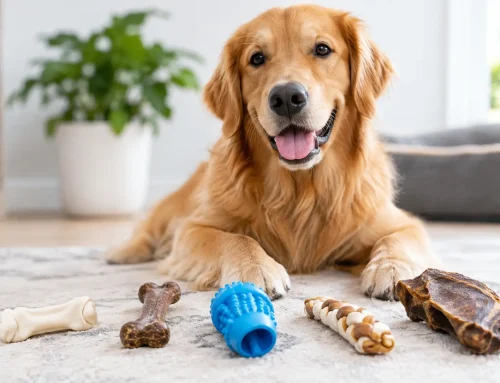
Cal Premium offers natural beef and pork chews in formats for moderate chewers and aggressive or power chewers, making it easier to shop around your pup’s personal chewing style. Whether your dog prefers the rich reward of a marrow bone or another long-lasting natural chew, the best pick is the one that fits their mouth, habits, and supervision needs.
Your dog does not need the toughest chew in the house to have a wonderful time. Give them a properly sized option, stay nearby, and let every happy gnaw be part of the royal treatment they deserve.