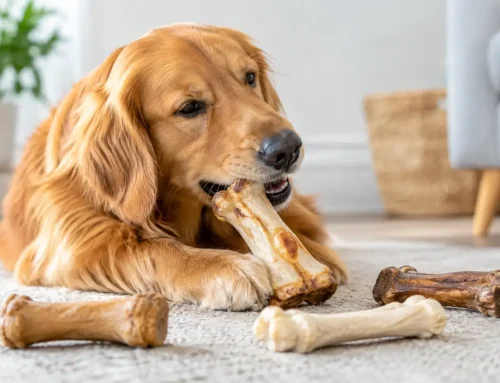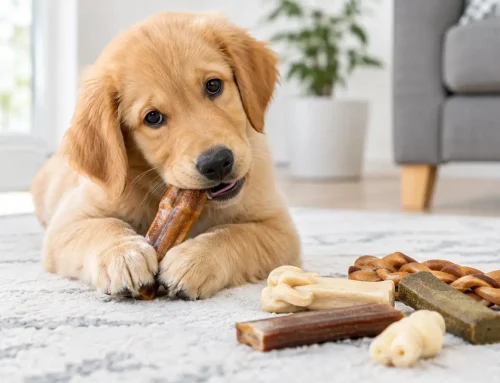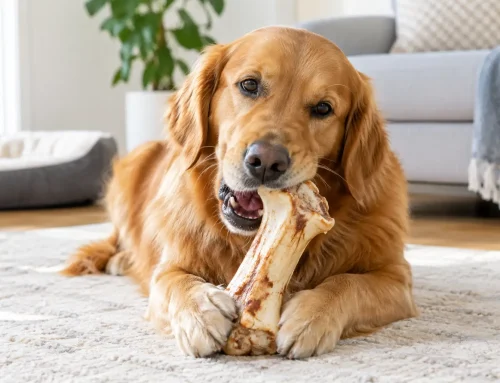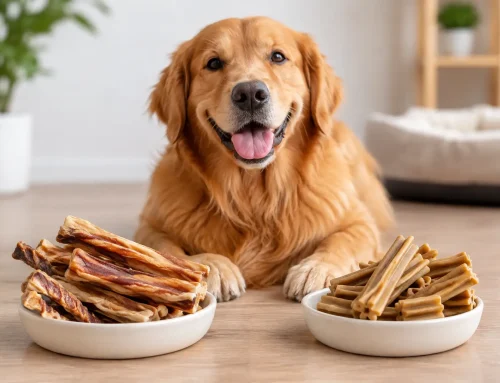
The treat drawer can get serious fast when your pup has strong preferences. In the pork chews versus beef chews decision, there is no single winner for every dog. The best choice comes down to your dog’s chewing style, size, flavor preferences, and how long you want that tail-wagging chew session to last.
Both pork and beef can make satisfying, protein-forward natural chews. The fun part is matching the format to the dog in front of you: the gentle nibbler, the enthusiastic chopper, or the power chewer who treats every chew like a full-time job.
Pork Chews Versus Beef Chews: The Quick Difference
Pork chews are often a great choice for dogs that enjoy rich flavor and a chew that may feel more approachable than a dense, hard beef bone. Pork formats such as ears, skin, and certain bones can offer an engaging combination of texture and taste. They are a welcome way to rotate your dog’s treat routine without reaching for heavily processed snacks.
Beef chews tend to offer especially broad variety, from flexible trachea and twist-style treats to substantial marrow bones, rib bones, femur bones, pizzles, and backstrap. That range makes beef easy to match to moderate chewers and aggressive chewers alike. A durable beef bone can keep a determined dog happily occupied, while a softer beef option can provide a shorter, rewarding chew break.
Neither protein is automatically better. A small dog with a moderate chewing habit may have a wonderful time with an appropriately sized pork chew, while a large, powerful dog may be better suited to a hefty beef chew selected for their chew strength. Format matters just as much as the animal protein.
Start With Your Dog’s Chewing Style
A chew should feel like a treat, not a test of strength. Before choosing pork or beef, think about what happens when your dog receives a new chew. Do they settle in and work patiently? Do they strip a softer chew quickly? Or do they crack through treats with impressive determination?
Moderate chewers
Moderate chewers often do well with chew options that provide satisfying texture without requiring the density of a large weight-bearing bone. Pork chews can be an appealing fit here, particularly for dogs that love a savory reward and do not need the longest possible chew time.
Beef still offers plenty of options for this group. Beef trachea, jerky, tripe twists, and smaller or less dense bone formats can add variety to the treat rotation. These dogs may appreciate changing up both protein and texture, which helps keep chew time exciting.
Aggressive and power chewers
For the pup who makes quick work of ordinary treats, larger and more durable beef formats are often a practical place to start. Beef marrow bones, femur bones, and substantial rib bones can offer the longer-lasting challenge many power chewers want. Always select a size that is appropriate for your dog and their mouth.
That does not mean pork is off the menu for strong chewers. Pork chews can still be a delicious supervised treat, but they may be better used as a shorter chew session depending on the specific cut and your dog’s habits. A power chewer can turn a softer format into a quick snack, so observe the first few sessions before deciding whether it belongs in the regular rotation.
Texture Changes the Chew Experience
Dogs do not shop by protein alone. They shop with their noses, teeth, and very determined opinions. Texture can influence whether a chew becomes a five-minute reward, a relaxing afternoon project, or a new household favorite.
Pork products often bring a rich aroma and a texture that many dogs find immediately appealing. For picky pups, that extra excitement can make pork a smart option. If your dog tends to lose interest in a chew after a few minutes, rotating in a pork format may bring fresh enthusiasm to their treat time.
Beef offers remarkable texture variety. A pizzle provides a different experience than a trachea, while a marrow bone is very different from beef jerky or a tripe twist. This makes beef especially useful for households with more than one dog or for pet parents who want several chew styles on hand without changing the primary protein.
The goal is not simply to give your dog something to gnaw. It is to offer an appropriate, enjoyable chewing experience that fits their behavior. A chew that is too small, too soft, or too challenging can miss the mark, even if it is made from a protein your dog loves.
Flavor Preference Matters More Than You Think
Some dogs will happily accept any natural chew placed in front of them. Others have clear favorites and will let you know with one sniff. Pork’s savory richness can be a big draw for dogs who need a little encouragement, while beef has the familiar, meaty flavor many pups already recognize and adore.
If you are introducing a new protein, start with a single chew rather than stocking up immediately. Watch how your dog responds to the flavor and texture, as well as how their stomach handles it. A gradual introduction is especially helpful for dogs with sensitive digestion or a history of food sensitivities.
For dogs with known protein allergies or dietary restrictions, your veterinarian should be part of the decision. Natural ingredients are a wonderful foundation, but every dog’s needs are individual. A treat should complement your dog’s normal diet, not complicate it.
Choosing the Right Size and Format
A quality chew only works when it is properly matched to the dog. Select a format that is larger than your dog can swallow whole, and supervise chew time from start to finish. When a chew becomes small enough to pose a swallowing risk, remove it and replace it with a fresh, properly sized option.
For a practical treat drawer, consider keeping different chew experiences available. A flavorful pork chew can be perfect for a shorter reward after a walk, while a durable beef bone may be better for a longer, supervised settle-down session. Beef trachea, pizzles, tripe twists, and jerky can fill the space between those two moments.
Fresh water should always be nearby. It also helps to give chews on an easy-to-clean surface, especially for enthusiastic pups who prefer to carry their royal reward from room to room.
Why Protein Rotation Can Be a Good Idea
Offering both pork and beef can bring variety to your dog’s routine without making treat selection complicated. Rotating proteins and formats gives dogs new flavors and textures to enjoy, while giving pet parents more ways to match the chew to the moment.
At Cal Premium, USA-sourced pork and beef chews are made in Central California with dogs, their people, and real chewing satisfaction in mind. Whether you are choosing a single retail pack for your own pup or building an assortment for a pet business, clear chew-strength categories make it easier to shop with confidence.
For retailers, groomers, kennels, and specialty pet shops, carrying both pork and beef formats also helps serve a wider range of dogs. One customer may need a substantial beef bone for a power chewer, while another is looking for a flavorful pork option for their smaller companion. A varied natural-chew selection keeps more tails wagging.
Let Your Dog Help Make the Choice
The best chew is the one your dog can enjoy safely, comfortably, and enthusiastically. Start with their size and chewing strength, then consider the texture and flavor that gets them excited. Pork may become the special treat they race to claim, while beef may earn its place as the dependable long-lasting favorite.
Keep an eye on every chew session, rotate options when your dog seems ready for something new, and let those happy, focused chewing moments guide your next pick. A well-matched natural chew is a small way to give your best friend the big, well-deserved royal treatment.