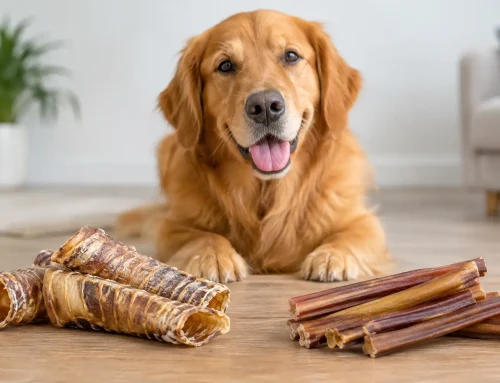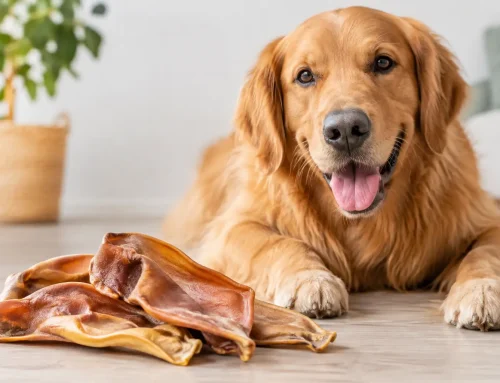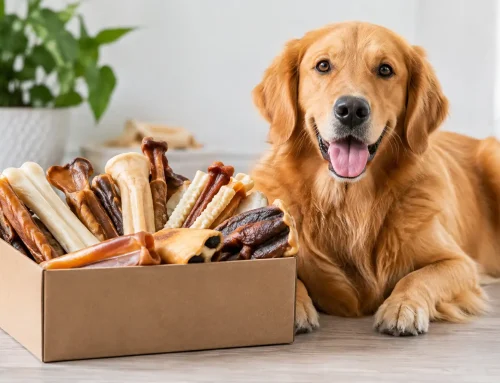
A quiet house and a happily occupied pup can feel like a small victory. Pork femur bones for dogs can offer that satisfying, tail-wagging chew time for the right dog, but they are not a one-size-fits-all treat. Your dog’s size, chewing style, dental health, and ability to settle with a chew all matter before you hand one over.
A natural bone chew is a special kind of reward: it gives dogs something deliciously interesting to work on while letting them follow a very dog-like instinct. Still, every bone deserves a little common sense. The goal is not simply to choose the biggest chew in the bag. It is to choose a chew your pup can enjoy safely and sensibly under your watch.
What Makes Pork Femur Bones Different?
A femur is a dense leg bone, which makes it a substantial chew compared with softer treats or thinner pork products. Dogs are drawn to the natural flavor, lingering aroma, and the challenge of working around the bone. For pups who enjoy settling down with a long-lasting reward, that can make a pork femur a very appealing option.
Compared with many quick-eating treats, a femur bone is built for slower chewing. That does not automatically mean it is right for every dog, though. Hardness is part of the appeal, and it is also the feature that calls for thoughtful matching.
Pork femur bones can vary in size, density, and remaining tissue, depending on the cut and preparation. A clearly labeled, dog-specific chew makes it easier to understand what you are buying than a leftover bone from the dinner table. Look for a product made specifically for dogs, with straightforward ingredients and clear sizing or chew-strength guidance.
Are Pork Femur Bones for Dogs Right for Your Pup?
The best answer is: it depends on the dog. A medium or large adult dog that chews steadily and has healthy teeth may enjoy a properly sized pork femur bone as an occasional supervised treat. A tiny dog, a senior with fragile teeth, or a pup that attacks every chew at full speed may need a different option.
Think About Chewing Style, Not Just Dog Size
Two dogs of the same weight can chew completely differently. One may patiently gnaw at the edges for half an hour. The other may put all of their power into cracking down on the hardest point. That determined power chewer is not necessarily the best candidate for a very hard bone, even if the package looks like a match for their size.
If your dog has a history of broken teeth, gulping treats, digestive trouble, or guarding high-value chews, talk with your veterinarian before adding bones to the treat rotation. Dogs with dental disease, missing teeth, braces, or other oral-health concerns also need extra care when choosing any hard chew.
Puppies deserve their own level of caution. Their adult teeth and chewing habits are still developing, and a product that is suitable for a full-grown dog may be too hard or too large for a young pup. Choose age-appropriate chews and follow product guidance closely.
Size Up for Safety
A bone should be larger than your dog can fit fully into their mouth. This helps reduce the chance of swallowing it whole or trying to gulp a large piece. It should also be large enough that your dog can hold and chew it comfortably without wrestling to control it.
When you are between sizes, choosing the larger option is usually the smarter call. A very small bone may look like an easy treat, but it can become a choking or swallowing risk quickly as it gets smaller. For multi-dog homes, offer chews separately. A relaxed dog may chew calmly, while a dog worried that another pup will steal the prize may rush and make poor decisions.
Never Substitute Dinner Bones for Dog Chews
This distinction is worth making clear: cooked bones from pork chops, roasts, ribs, or holiday meals do not belong in your dog’s treat bowl. Cooking can make bones brittle, increasing the likelihood of sharp splinters. Seasonings, sauces, onion, garlic, rich fat, and other dinner ingredients can create additional problems for dogs.
A packaged natural chew made for dogs is a different product than a table scrap, but it is still a bone. It should be treated as a supervised chew, not a snack to toss down and forget about. Avoid giving a bone that has been altered at home by baking, grilling, smoking, or seasoning it yourself.
A Better First Chew Session
The first time you offer a pork femur bone, stay close and keep the session short. Give it in a calm area, ideally on an easy-to-clean surface where your dog can settle without distractions. Watch how your pup approaches it. Gentle gnawing, licking, and repositioning are different from frantic biting, repeated attempts to swallow, or trying to shatter the bone.
Take the chew away after a reasonable period, particularly while you are still learning your dog’s habits. This also prevents a rich treat from becoming too much of a good thing in one sitting. Fresh water should always be available.
You do not need a complicated ritual, but a few habits make a real difference:
- Supervise every bone-chewing session from start to finish.
- Remove the chew if it becomes small enough to swallow, develops sharp pieces, or starts splintering.
- Pick it up if your dog is trying to gulp chunks instead of chewing them.
- Store the chew according to its package instructions and discard it if it looks dirty, spoiled, or unsafe.
If your dog coughs, gags repeatedly, seems distressed, vomits, struggles to pass stool, loses interest in food, or acts unusually tired after chewing, contact your veterinarian promptly. Those signs do not always mean the bone is the cause, but they are not symptoms to ignore.
Build Bones Into a Balanced Treat Routine
A big, flavorful bone can feel like royal treatment, and for many pups, it is. But it should still fit within the rest of their diet. Account for treats when you are planning meals, especially if your dog is watching their weight or has a sensitive stomach. A dog who rarely gets rich chews may do better with a shorter first session than a dog already accustomed to natural animal-protein treats.
Variety can be helpful, too. Not every chew needs to be a hard bone. Softer natural options can give dogs a satisfying reward with a different texture and chewing experience. Rotating formats also lets you match the treat to the moment: a longer-lasting chew for a quiet afternoon, or a lighter reward for training and everyday tail wags.
For pet retailers, groomers, and other wholesale buyers, clear chew segmentation is especially useful. Stocking a mix of moderate and power-chew options gives customers a better chance of finding an appropriate match instead of assuming every large bone suits every large dog. Simple labels, ingredient transparency, and practical sizing guidance make the purchase easier for pet parents standing in the aisle with a particular pup in mind.
Choosing a Natural Pork Chew With Confidence
Start with the label. You want to know what the product is, where it is made, and which type of dog it is designed to suit. USA-sourced and USA-made options can offer extra peace of mind for shoppers who care about ingredient origins and production standards. At Cal Premium, natural dog chews are made in Central California with dogs’ chewing needs and their families’ standards in mind.
Skip products with vague descriptions when you can. A clear product name, simple ingredient statement, and chew-intensity guidance tell you far more than flashy packaging alone. If a chew is marketed for aggressive or power chewers, remember that label describes durability, not a guarantee that it is appropriate for every determined dog.
The happiest chew choice is the one that fits your individual pup. Choose thoughtfully, supervise closely, and let your dog enjoy that special, nose-to-tail moment of natural chewing.