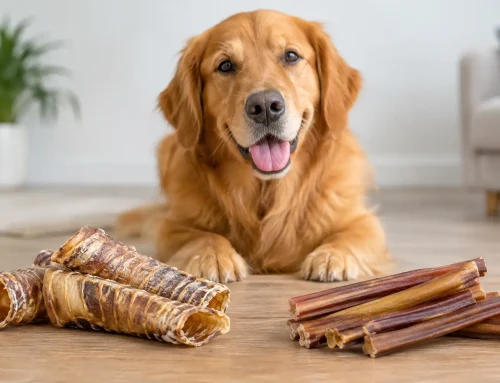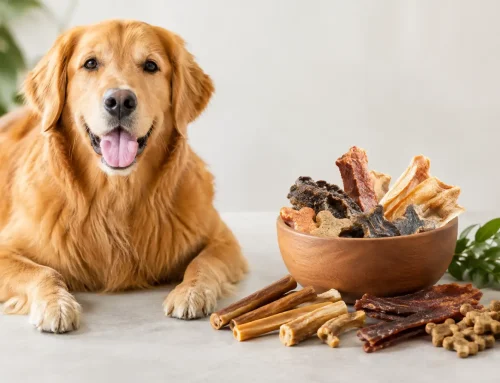
A quiet house, a content pup, and one seriously satisfying chew – that is the appeal of pork pizzles. These single-ingredient pork chews give dogs a flavorful, long-lasting activity while giving pet parents a straightforward option made from an animal-based ingredient they can recognize.
Whether your dog is a casual nibbler or a determined chewer who treats every snack like a full-time job, the right pizzle can turn chew time into a tail-wagging reward. The key is choosing a size and thickness that suit your dog, then supervising as they enjoy it.
What Are Pork Pizzles?
Pork pizzles are natural dog chews made from pork pizzle, also called pork penis. The ingredient is cleaned and dried to create a firm, chewy treat. There are no mystery shapes or complicated ingredient panels needed – a quality pork pizzle should be simple, natural, and made for dogs who love to chew.
Their appeal is easy to understand. Dogs enjoy the meaty aroma and satisfying texture, while pet parents appreciate a chew that is more substantial than a quick biscuit. Pork pizzles can help keep a dog happily occupied during crate time, after a walk, or while the family is settling in for the evening.
Like other natural chews, each piece can vary a little in color, shape, thickness, and length. That variation is part of choosing a real animal-based chew rather than a highly uniform, heavily processed treat. What matters most is selecting an appropriate piece for your pup’s size and chewing style.
Why Dogs Love Pork Pizzles
Dogs are built to chew. For many pups, chewing is a favorite way to explore, relax, and work through extra energy. A pork pizzle offers resistance that makes the experience more rewarding than a soft treat swallowed in seconds.
The texture is often a good fit for dogs that enjoy a lasting chew but may not need the hardest bone in the treat jar. A thinner pizzle may be suitable for moderate chewers, while a thicker option can offer more staying power for dogs that chew with real enthusiasm. No chew is indestructible, though. An aggressive chewer can finish even a substantial piece faster than expected.
Pork also brings a distinct flavor profile that can be especially appealing for dogs who have already sampled plenty of beef treats. Rotating natural chew types can keep treat time interesting while helping owners find the formats their dogs enjoy most.
Choosing the Right Pork Pizzle for Your Dog
A great chew starts with a practical match. The longest or thickest option is not automatically the best choice. Your dog’s body size, jaw strength, age, and chewing habits all matter.
For a smaller dog or a gentle chewer, a narrower, shorter pizzle may provide plenty of fun without being overwhelming. Larger dogs and power chewers usually need a thicker, more substantial chew, but they still need active supervision. Puppies also need extra consideration. Young dogs can be enthusiastic chewers, yet their mouths and digestive systems may be more sensitive than those of mature dogs. When in doubt, choose a size up and monitor closely.
Think about your dog’s actual chewing behavior, not just the label on the food bag. Does your dog methodically gnaw at treats for 20 minutes? Does he try to crack through everything in record time? Does she tend to gulp the final bite? Those details tell you more about the right chew than breed alone.
Size Matters More Than You Think
Choose a pork pizzle that is longer than your dog’s mouth and large enough that it cannot be swallowed whole at the start. A larger chew gives you more room to supervise and helps reduce the chance that an eager pup will try to gulp it.
As the chew gets smaller, it becomes more of a safety concern. Take it away when the remaining piece is small enough to be swallowed or when it reaches a size that no longer feels manageable for your dog. It is always better to trade a small leftover for another reward than to take unnecessary chances.
Consider Your Dog’s Diet
Pork pizzles are treats, not a replacement for a complete and balanced daily diet. They contain calories, so factor chew time into your dog’s overall feeding routine, especially if your pup is watching their weight or receives several treats throughout the day.
For dogs with food sensitivities, a history of digestive upset, or a veterinarian-directed diet, ask your veterinarian before introducing a new protein. Natural does not mean universally right for every dog. The best choice depends on your individual pup.
How to Serve Pork Pizzles Safely
A natural chew should feel like a special part of your dog’s routine, not something handed over and forgotten. Supervision lets you see how quickly your dog works through the chew and helps you learn which sizes and textures are a good fit.
Start by offering the pizzle in a calm area where your dog can settle down and chew. Keep fresh water nearby, and avoid giving chews when dogs are competing for treats or playing roughly around one another. If you have a multi-dog household, separate chew sessions are often the easiest way to keep every tail wagging.
Inspect the chew before serving. If it has an unusual odor, visible damage, or anything that concerns you, do not give it to your dog. Once your pup is done, discard any small remaining piece rather than saving a soggy leftover for later. Wash hands after handling natural chews and clean the area where your dog enjoyed it.
Watch for signs that a chew may not agree with your dog, such as vomiting, diarrhea, coughing, gagging, or unusual discomfort. Stop offering the product and contact your veterinarian if you are concerned. A little excitement is normal. Struggling to chew or swallow is not.
Pork Pizzles Compared With Other Natural Chews
Every natural chew has its own place in the treat basket. Pork pizzles are often chosen for their rich flavor and satisfying chew time. They can be a welcome alternative for dogs who love animal-based chews but need a change from beef.
Bones tend to be harder and may better suit experienced, closely supervised chewers seeking a firm challenge. Trachea offers a different texture and can be easier for some dogs to work through. Jerky is usually more of a quick, tender reward than a long chewing project. Tripe twists bring another flavorful option for pups who like variety.
There is no single best chew for every dog. A gentle senior, a teething puppy, a determined power chewer, and a dog with a sensitive stomach may all need different options. Building a small rotation based on your pup’s preferences can make it easier to reserve the right chew for the right moment.
What to Look for When Buying Pork Pizzles
Ingredient transparency should be at the top of the list. Look for a product with a clear ingredient statement and straightforward sourcing information. For many pet parents, USA-sourced and USA-made chews offer added confidence in what reaches the treat jar.
It also helps to shop by chew strength, thickness, and pack size. Individual packs are handy when you are trying a new chew or treating one beloved pup. Larger packs and bulk cases make sense for multi-dog homes, groomers, kennels, and pet retailers that want reliable natural-chew options on hand.
Cal Premium brings together USA-sourced pork chews, Central California manufacturing, and practical choices for moderate and power chewers. That means pet parents can select treats with their dog’s real habits in mind, while wholesale customers can stock a natural assortment their shoppers will recognize and trust.
Packaging matters, too. Choosing recyclable packaging where available is a small way to make a dog’s favorite reward a little kinder to the planet. It is a practical detail, but one that many pet families appreciate.
Make Chew Time a Happy Routine
The best pork pizzle is the one your dog can enjoy safely, comfortably, and with gusto. Start with the right size, stay nearby, and learn from each chew session. Your dog will make their opinion clear – usually with bright eyes, busy paws, and a very happy tail.
Save these natural chews for moments when your pup needs a rewarding job to do. A well-chosen pizzle can turn an ordinary afternoon into their favorite part of the day.