A determined power chewer can turn a too-small treat into a quick snack and a favorite toy into confetti before the coffee is brewed. That is why choosing aggressive chewer bones is less about finding the biggest chew on the shelf and more about matching a natural, substantial chew to your pup’s size, chewing style, and supervision needs.
For dogs who love to settle in and get to work, a well-chosen bone can be a seriously satisfying reward. It gives them something delicious to focus on, brings a little calm to quiet time, and delivers the kind of tail-wagging experience only a real chew can provide. The right choice is not necessarily the hardest option. It is the chew that fits your dog safely and keeps their attention.
What Makes a Dog an Aggressive Chewer?
Aggressive chewers, also called power chewers, do not politely nibble around the edges. They clamp down, work one spot with real determination, and may finish softer chews far faster than expected. Large breeds often fall into this category, but size is not the whole story. A compact, enthusiastic dog with strong jaws can be just as tough on a chew as a bigger pup.
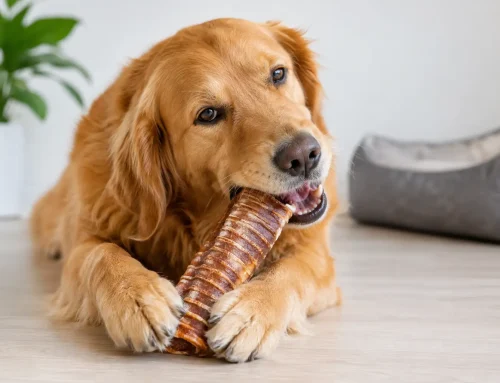
Watch how your dog handles treats at home. If they quickly break down thinner chews, try to swallow large pieces, or lose interest unless there is a real challenge involved, they likely need a more substantial format. Dense beef femur bones, hearty marrow bones, and thicker rib bones can offer a longer chew session than light, thin treats.
Chew strength is also personal. One Labrador may methodically enjoy a bone over several sessions, while another may make quick work of the same chew. Start with the power-chewer category as your guide, then adjust based on what your own dog does with it.
Choosing Aggressive Chewer Bones by Size and Style
The best aggressive chewer bones have enough size and structure for the dog enjoying them. A bone should be larger than your dog can fit fully into their mouth. If your pup can get the entire chew behind their back teeth or begins trying to gulp the final piece, it is time to remove it.
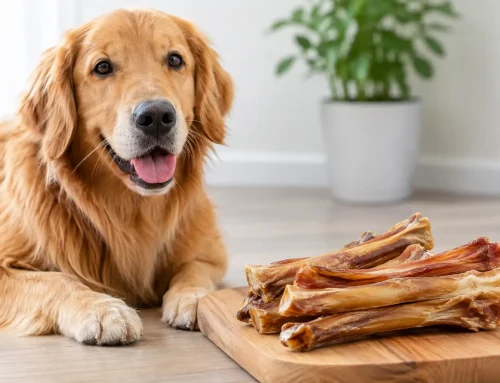
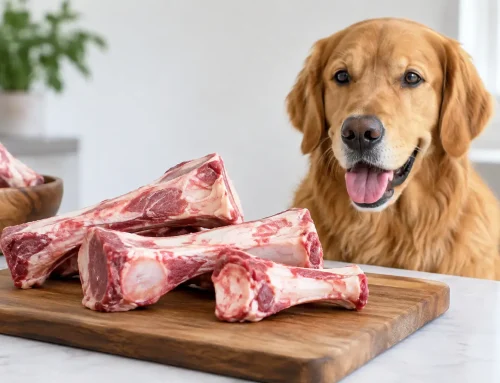
A thicker beef femur bone is often a natural fit for larger dogs and determined chewers because of its substantial shape. Marrow bones bring another kind of excitement: dogs can work to enjoy the rich center, then continue chewing the outside. Rib bones vary more in shape and thickness, which makes size selection especially important.
Natural bones are not identical, and that is part of their charm. Shape, density, and size can differ from one bone to the next. Rather than expecting every chew to last exactly the same amount of time, choose a format suited to your dog and pay attention to how they handle it. The goal is happy, engaged chewing, not a contest to see how fast a pup can finish.
A simple way to make the match
Think about three things before offering a bone: your dog’s body size, their bite intensity, and their chewing habits. A giant breed may need an extra-large, thick option, while a medium-size dog with a powerful bite can still need a bone from the aggressive or power-chewer selection. Dogs that chew carefully may enjoy a moderately dense option instead.
Age matters, too. Puppies with developing teeth, senior dogs, and dogs with known dental concerns may need a gentler chew choice. If you are unsure whether a bone is right for your dog, your veterinarian can help you make a decision based on their individual health and dental history.
Why Natural Beef and Pork Chews Earn Their Place
Dogs know the difference between a snack and a real reward. Natural beef and pork chews offer familiar, protein-forward ingredients with the savory aroma and texture that make tails start wagging. For pet parents, simple ingredient choices can feel good, especially when the product is made from USA-sourced beef or pork and produced in the United States.
At Cal Premium, natural chews are made in Central California with dogs’ different chew strengths in mind. That means pet parents can shop with more purpose, choosing from substantial bones for power chewers alongside trachea, pizzles, tripe twists, jerky, and other favorites for different chewing moments.
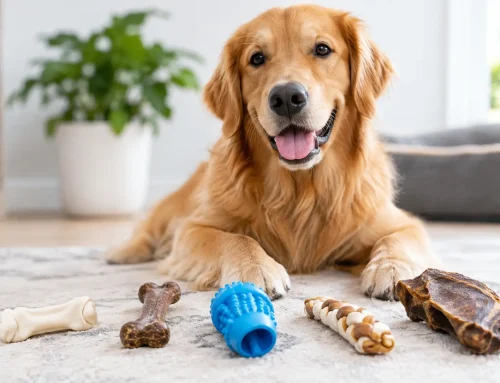
Bones are not the only option for an enthusiastic chewer. A dog may love a long-lasting bone on the weekend but prefer a pizzle or trachea chew after an afternoon walk. Rotating formats can keep the treat routine interesting while helping you choose a chew that suits the moment. A special bone can be a longer reward, while a smaller natural chew can be an easy treat for a shorter, supervised break.
Safe Chewing Starts With Supervision
Even a high-quality natural bone needs an attentive human nearby. No dog chew is completely risk-free or truly indestructible. Dogs can break off pieces, wear a bone down, or attempt to swallow more than they should, particularly when the chew gets small enough to become a choking hazard.
Offer bones in a calm spot where your dog can settle down and chew without being bothered by other pets or excited kids. Pick the bone up after the session if your dog is getting overly intense, trying to gulp it, or leaving it in a place where it can collect dirt and debris. Fresh water should always be available.
Remove the bone when it becomes small enough to swallow whole, develops sharp edges, or starts to splinter or crack into pieces your dog could ingest. This is not a sign that your pup has done anything wrong. It simply means the chew has reached the end of its useful life.
If your dog has a history of digestive issues, tooth fractures, choking, or food sensitivities, ask your veterinarian before adding bones or any new chew to their routine. Natural products can be wonderfully satisfying, but the right choice always depends on the individual dog in front of you.
Make Chew Time Feel Like a Reward
A great bone does more than occupy a busy mouth. It can become part of your dog’s favorite ritual. Offer one after a walk, during a quiet evening at home, or when you need your pup to settle while guests arrive. Keeping chew time predictable can help your dog recognize that relaxing in their own spot comes with a royal reward.
Avoid making every chew an all-day event. Short, supervised sessions are a smart way to learn how quickly your dog works through a new format. The first few times you offer a bone, stay especially close. You will quickly see whether you chose the right size and density or whether your dog needs something larger, thicker, or less challenging.
For multi-dog homes, give each pup their own chew and enough personal space. Even the sweetest dogs can become protective of a high-value beef bone. Separate areas keep the experience peaceful and let every dog enjoy their treat without competition.
A Better Buy for Pets, Homes, and Shelves
Choosing a quality chew is also about knowing what you are bringing home. Clear chew-strength categories help pet parents avoid guesswork, while natural ingredient choices and domestic production offer welcome confidence at treat time. For retailers, groomers, kennels, and specialty pet businesses, a varied assortment makes it easier to serve everything from casual nibblers to full-time power chewers.
Retail packs are handy for trying a new format with your own dog. Bulk cases can make sense for multi-dog homes and businesses that want dependable, crowd-pleasing natural options on hand. Packaging that is designed with recyclability in mind is another thoughtful touch for dog families who want to spoil their pups while making more considered choices.
The best aggressive chewer bones are the ones your dog can enjoy with enthusiasm and you can offer with confidence. Choose the right size, supervise every session, and let your hard-working pup savor the kind of natural chew that makes quiet moments feel like a treat for everyone.