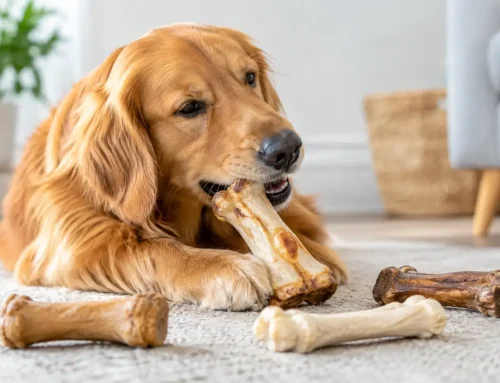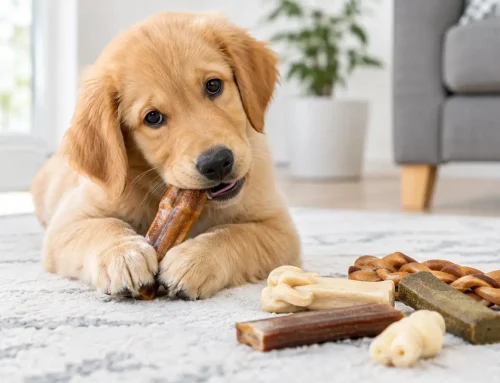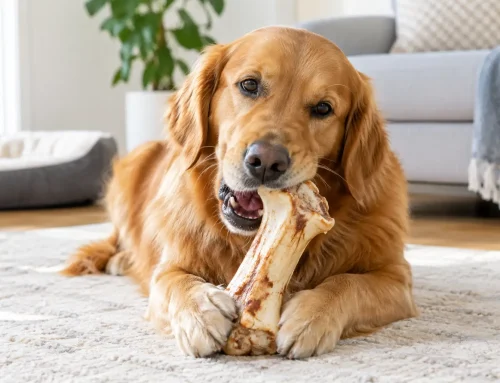
A pork bone may look like the perfect tail-wagging reward: natural, flavorful, and satisfying for a dog who loves to chew. But if you are asking, do pork bones splinter, the honest answer is yes, they can. Any bone can crack, break into sharp pieces, or become small enough to swallow, especially when the bone is cooked, overly dry, too small for the dog, or handed to a determined power chewer.
That does not mean every pork chew belongs off the menu. It means the chew needs to match the dog, and the dog needs an owner nearby. Choosing the right size, understanding how the chew was made, and knowing when to take it away make a real difference in keeping chew time enjoyable.
Do Pork Bones Splinter for Dogs?
Pork bones can splinter, but the risk is not identical from one bone to the next. Bone density, cut, size, processing method, moisture level, and your dog’s chewing habits all matter. A gentle chewer working on a properly sized commercial dog chew may wear it down differently than an aggressive chewer who tries to crack through every hard surface in minutes.
The biggest concern is cooked bones from the dinner table. Roasting, baking, grilling, frying, and smoking can make bones more brittle. When a dog bites down, a brittle cooked bone is more likely to break into hard, pointed fragments. Those pieces can cause mouth injuries, choking, intestinal blockage, or damage farther along the digestive tract.
That is why pork chop bones, rib bones, ham bones, and bones left over from a family barbecue should not become an after-dinner treat for your pup. Seasonings, fatty scraps, sauces, onion, garlic, and salt can add their own problems too.
Commercial natural chews are a separate category from cooked leftovers, but they still require thoughtful selection and supervision. Drying, roasting, and other manufacturing processes affect a bone’s texture, and no hard chew is completely risk-free. “Natural” is a great starting point for ingredient-conscious dog parents, not a substitute for watching your dog chew.
Why Some Dogs Are More Likely to Break a Pork Bone
Your dog’s chewing style is often more important than breed or body weight alone. Some dogs patiently gnaw and scrape away at a chew. Others clamp down, twist, and attempt to snap it in half. The second group needs especially careful chew choices.
An aggressive or power chewer can reduce a bone quickly, including one that seemed large at the start. A small dog can also be a mighty chewer, while a large dog may be surprisingly gentle. Watch what your own dog does with chews rather than relying only on the label.
Age and dental health belong in the decision too. Puppies may not yet understand how to pace themselves, and their mouths are still developing. Senior dogs and dogs with worn, cracked, loose, or painful teeth may struggle with hard chews. If your dog has a history of dental fractures, choking, stomach sensitivity, surgery, or gastrointestinal blockage, ask your veterinarian what type of chew makes sense before offering bones.
Bone Size Changes the Safety Picture
A bone that is too small is easier to swallow whole or gulp in large pieces. Choose a chew that is noticeably larger than your dog’s mouth, not merely longer than their muzzle. The goal is to give your dog enough chewing surface without creating a quick-swallow situation.
Size should be reassessed during every chew session. A bone may begin as a substantial chew but become short, sharp, cracked, or swallowable as your pup works on it. Take it away before it reaches that stage. This can feel unfair when your dog is having the time of their life, but swapping it for another treat or a meal-time reward keeps the experience positive.
Pork Bones vs. Other Natural Chews
There is no single “best” chew for every dog. Pork bones offer a meaty flavor many dogs love and can provide a longer-lasting activity for the right chewer. But hard bone may not be the right fit for dogs that bite down with exceptional force, have sensitive teeth, or tend to swallow chunks.
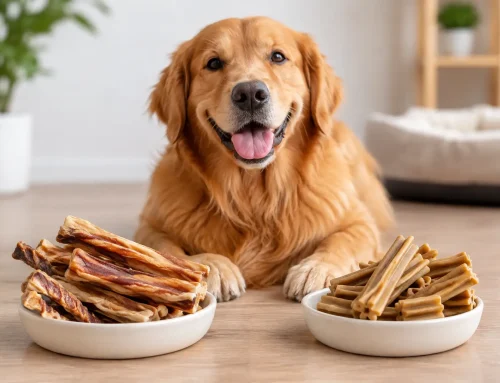
For those pups, a softer natural chew can be a smarter option. Trachea, tripe, jerky-style treats, and some pizzle formats may offer satisfying chewing without asking the dog to crack a dense bone. They are not automatically safe to leave unattended, and the right size still matters, but they can be easier to match to dogs that need a less rigid chew experience.
Think about the job you want the treat to do. Is it a short, high-value reward? A quiet-time chew while you are nearby? A longer enrichment activity for a dog that settles nicely with a bone? Selecting the format first helps avoid handing a hard chew to a dog who would be better served by something more flexible.
At Cal Premium, chew-strength categories can help pet parents and retail buyers narrow the options for moderate and aggressive chewers. They are useful shopping guidance, not a promise that a dog can safely chew without supervision. Every pup brings their own jaw strength, habits, and enthusiasm to the party.
How to Offer a Pork Bone More Responsibly
Start chew time when you can actively supervise. That means staying close enough to notice changes in the bone and your dog’s behavior, rather than leaving your dog alone with it in a crate, yard, or another room. If your dog begins trying to gulp pieces, repeatedly drops the chew, paws frantically at their mouth, or loses interest because the bone is breaking apart, remove it.
Inspect the chew before you give it to your dog. Skip bones with sharp edges, obvious cracks, or pieces that look loose. Keep the chew on a clean surface, and follow the package directions for storage and handling. If a natural animal-based chew becomes dirty, slimy, or has been sitting out too long, it is time to discard it.
It also helps to introduce any new chew gradually. A rich pork chew may be delicious, but a sudden large portion can upset some dogs’ stomachs. Start with a limited session, especially if your dog is new to pork or tends to have digestive sensitivity. Fresh water should always be available.
Avoid trying to “soften” a bone by cooking it at home. Heat can make the structure more brittle, which is exactly what you are trying to prevent. Also avoid cutting, sawing, or breaking a bone into smaller pieces for a smaller dog. A smaller fragment is easier to swallow and can create sharp edges.
Signs Your Dog May Have Trouble With a Bone
A dog that chews happily, then goes back to normal behavior, is generally showing you that the session went as expected. Still, stay alert after any hard chew, particularly if your dog consumed pieces rather than simply gnawing.
Call your veterinarian promptly if you notice trouble breathing, choking, repeated gagging, excessive drooling, pawing at the mouth, bleeding from the mouth, vomiting, repeated retching, a swollen or painful belly, unusual tiredness, refusal to eat, straining to defecate, or blood in stool. These signs can have different causes, but after a bone chew they deserve attention. If your dog is choking or having difficulty breathing, seek emergency veterinary care immediately.
Do not induce vomiting unless a veterinarian specifically tells you to. Sharp material can cause more damage coming back up. Avoid the temptation to use bread, oil, or other home remedies to “push” a swallowed bone through. A veterinarian can give advice based on your dog’s size, symptoms, and what was eaten.
A Better Rule Than “All Bones Are Bad”
The useful rule is not that every pork bone is automatically dangerous, nor that every natural bone is automatically safe. The better rule is to choose intentionally. Never offer cooked table bones. Match commercially made chews to your dog’s size and chewing intensity. Supervise from first bite to final bite, and remove the chew when it becomes too small, cracked, or sharp.
Your dog does not need every chew to be a marathon event to feel rewarded. A well-chosen natural chew, offered for a sensible amount of time and picked up at the right moment, can still deliver the flavor, enrichment, and happy occupied-pup time both of you want.