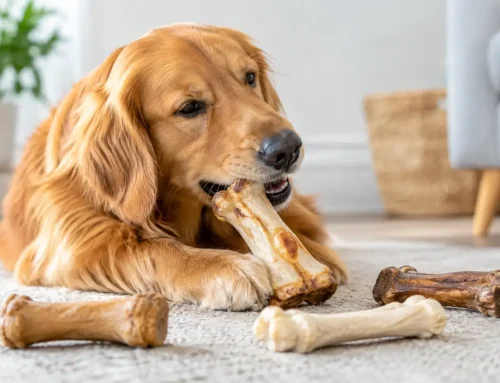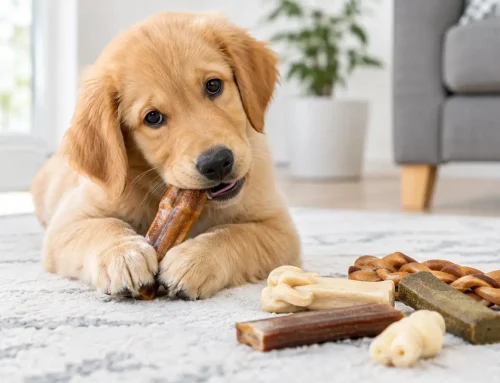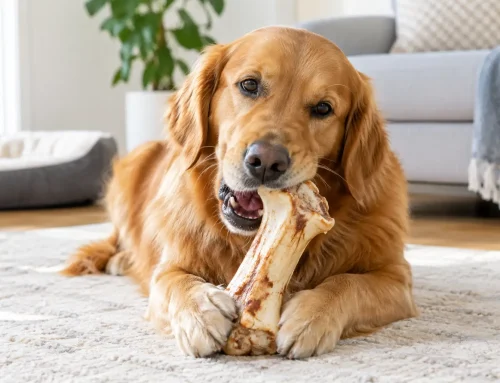
A dog who loves to chew does not want a tiny distraction that disappears in two minutes. They want a real project. Knuckle bones are a favorite for many pups because their dense, irregular shape gives determined chewers plenty to grip, gnaw, and savor. For pet parents, they offer a natural, protein-forward option that feels far more rewarding than a highly processed treat.
Still, the best chew is never simply the biggest one on the shelf. Your dog’s size, chewing style, dental condition, and ability to settle with a chew all matter. A well-matched bone can support satisfying enrichment and keep tails wagging. A poor match can become frustrating, too hard, or too small to enjoy safely.
What Are Knuckle Bones?
Knuckle bones are natural beef bones cut from the joint area, where several bones meet. That joint structure is what makes them so appealing to dogs. Instead of one smooth, uniform surface, a knuckle bone has curves, ridges, and pockets that invite licking and chewing from different angles.
Many natural knuckle bones also have traces of connective tissue, cartilage, and marrow-rich material around the bone. Those flavorful bits help hold a dog’s interest long after the first excited sniff. The exact appearance can vary from bone to bone, and that is part of the charm of a natural product. No two are perfectly identical, just as no two pups chew exactly alike.
For dogs that enjoy working at a chew, the shape can offer more engagement than a straight-cut bone. A rounder, joint-style bone may be easier for some dogs to brace between their paws, while its uneven edges give them new spots to investigate.
Why Dogs Love Knuckle Bones
Chewing is a natural dog behavior, not a bad habit to be eliminated. The right outlet gives dogs something productive to do during a quiet afternoon, after a walk, or while the family is busy. Knuckle bones can turn that downtime into a tail-wagging treat ritual.
Their appeal comes down to flavor, texture, and staying power. A natural bone has scent and taste that dogs recognize immediately. The hard exterior asks a dog to slow down and work, while the joint shape keeps the experience from feeling repetitive.
That long-lasting quality can be especially welcome for households with dogs that power through softer treats. It can also help retailers build a natural-chew assortment with clear choices for shoppers who ask for substantial beef chews. But “long-lasting” is not a promise that every dog will chew the same way. A calm nibbler may enjoy a knuckle bone over several sessions; an enthusiastic power chewer may make much faster progress.
A chew is enrichment, not a meal replacement
Natural bones are treats and chews, so they belong within your dog’s overall feeding routine. Offer one when you can supervise, and account for treats when planning regular meals. If your pup is new to rich natural chews, start with a shorter session to see how their stomach handles it.
The goal is simple: a satisfying reward that fits the dog in front of you. For some pups, that means a generous knuckle bone after a busy day. For others, a smaller or less dense chew may be the better royal treatment.
Choosing the Right Knuckle Bone for Your Dog
Start with size. The bone should be large enough that your dog cannot fit the whole thing in their mouth or easily swallow a large section. A larger dog does not automatically need the hardest chew available, though. Consider how they chew, not just what they weigh.
A moderate chewer usually gnaws, licks, and takes breaks. They may do well with a bone that provides a satisfying session without demanding nonstop effort. An aggressive or power chewer bites down with serious determination and may wear through natural chews quickly. These dogs often need a more substantial option, but they also deserve closer supervision because their intensity can create wear or break pieces sooner.
Age and dental history matter, too. Puppies with developing teeth, senior dogs, and dogs with sensitive teeth, cracked teeth, or existing dental concerns may not be good candidates for very hard bones. A conversation with your veterinarian is wise if you have any doubt about whether a hard natural chew suits your dog.
When choosing a natural bone, look for a product with a straightforward identity. USA-sourced beef and domestic production give many pet parents added confidence about what is in their pup’s treat rotation. Cal Premium produces natural dog chews in Central California, with substantial options designed to help owners shop by chew intensity rather than guesswork.
How to Serve Knuckle Bones Safely
The happiest chew time starts with a little common sense. Give your dog their bone in a space where you can keep an eye on them, especially the first few times. Some dogs settle into a peaceful gnaw. Others try to crunch, carry, guard, or swallow pieces before they have properly chewed them.
Inspect the bone before each session. Remove it if it has splintered, become small enough to swallow, developed sharp edges, or is breaking down in a way that no longer feels appropriate for your dog. There is no universal schedule for replacing a bone because dogs vary so much. Let the bone’s condition and your dog’s behavior guide the decision.
Fresh water should always be available during and after chewing. It is also smart to limit early sessions rather than leaving a new chew out for hours. This helps you observe your dog’s chewing style and can reduce the chance that an eager pup overdoes a rich treat.
Avoid giving hard bones to dogs that gulp treats, have a history of digestive blockages, or are prone to resource guarding around high-value items. If your dog guards a chew, do not reach in or try to take it away by force. Trade for a favorite treat from a safe distance, then reassess whether this type of chew works for your household.
Signs a different chew may be better
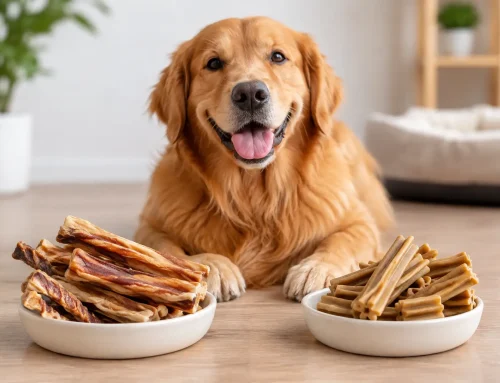
A knuckle bone is not the answer for every dog. Choose another format if your pup seems uncomfortable chewing, tries to swallow large chunks, repeatedly breaks off sharp pieces, or becomes overly possessive. Softer natural choices, such as trachea, jerky, tripe twists, or certain pizzle options, may better suit dogs that still want a delicious reward without the density of a bone.
That is not settling for less. It is smart matching. A great natural-chew routine may include different textures for different moments: a hearty bone for an experienced chewer, a lighter chew for shorter enrichment, and a high-value treat for training or special occasions.
Natural Variation Is Part of the Good Stuff
Unlike molded treats made to look identical, natural knuckle bones can vary in color, shape, thickness, and the amount of attached tissue. This is normal. The variation reflects the real ingredient and can make each chew experience a little different for your dog.
Store unopened chews in a cool, dry place and follow package guidance once opened. Keep them away from moisture and from curious pups who might help themselves to more than one at a time. For multi-dog homes, give chews separately when needed so every dog can enjoy their prize without pressure.
For pet shops, groomers, and other wholesale buyers, offering more than one chew strength is a practical way to serve a broader range of dogs. Clear sizing, natural ingredient information, and distinct moderate versus aggressive-chewer options help customers choose with confidence at the shelf or online.
A knuckle bone should feel like a special moment, not a test of how tough your dog can be. Pick the right size, stay nearby, and let your pup enjoy the slow, satisfying work of a chew chosen just for them.