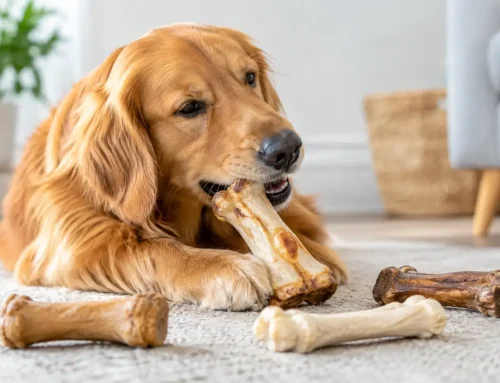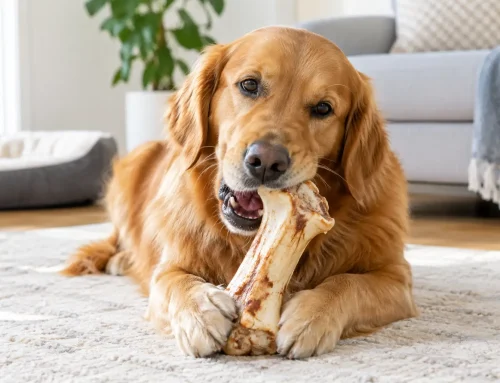
A quiet house can change fast when a bored pup finds a table leg, a sneaker, or the corner of a favorite rug. That is one practical answer to why do dogs need chews: chewing gives dogs an appropriate outlet for an instinctive behavior. The right chew is more than a tasty reward. It can turn restless energy into a satisfying, tail-wagging activity that feels natural to your dog.
Dogs are individuals, of course. A gentle nibbler may be content with a softer chew, while a determined power chewer needs something more substantial to stay engaged. Choosing well means looking beyond the package and considering your pup’s size, age, chewing style, and dietary needs.
Why Do Dogs Need Chews in Their Routine?
Dogs chew for many reasons, including curiosity, comfort, play, and simple enjoyment. Puppies often chew while teething, when their mouths are changing and they are learning what is appropriate to put their teeth on. Adult dogs may chew to pass time, settle after a busy day, or enjoy the flavor and texture of a natural treat.
A designated chew gives that instinct a better direction. Rather than expecting a dog to ignore the urge to gnaw, you can offer a safe, purposeful option that is made for canine jaws. For many households, a chew after a walk, during visitors’ arrival, or while the family eats dinner can become a helpful routine.
Chewing can also provide enrichment. Dogs experience the world through scent, taste, and texture, and a long-lasting chew gives them a job to focus on. That quiet concentration is especially valuable for pups who spend part of the day indoors, need a little help winding down, or simply light up at the sight of a special treat.
A rewarding way to occupy busy mouths
Not every dog needs hours of chewing every day, and chews are not a cure-all for separation anxiety or destructive behavior. Still, they can be one useful part of a fuller routine that includes exercise, training, play, and rest.
Think of a chew as an activity, not just a snack. A flavorful beef trachea, pizzle, rib bone, or jerky-style chew may keep a dog occupied longer than a quick biscuit. The amount of time will vary widely by product and pup. A small dog may savor a chew for days, while an aggressive chewer may make quick work of the same item.
Chewing and Your Dog’s Dental Routine
Chewing creates a natural scraping action against the teeth. For some dogs, that can help reduce soft buildup on tooth surfaces, particularly when the chew has a texture that encourages steady gnawing. Natural chews can be a welcome addition to a broader dental-care routine, with the added bonus that dogs see them as a treat, not a chore.
There is a trade-off to keep in mind. A chew does not replace tooth brushing, veterinary dental exams, or professional care when needed. Hard chews can also be too tough for some dogs, creating a risk of tooth damage. The goal is not to choose the hardest item possible. It is to choose an appropriately sized, suitably durable chew for your dog’s chewing habits.
If your pup has sensitive teeth, existing dental concerns, or a history of swallowing large pieces, ask your veterinarian what chew types make sense. A little guidance can help you find a rewarding option without asking too much of their mouth.
Natural Chews Offer More Than One Kind of Reward
Dogs are not impressed by marketing language, but pet parents should be. Ingredient transparency matters when a chew is going directly into your dog’s mouth. Natural, protein-based options with recognizable ingredients give owners a clearer idea of what they are offering their best friend.
Different chew formats bring different experiences. Beef and pork chews can vary in density, flavor, texture, and duration. A softer, more flexible chew may suit a moderate chewer or a senior dog, while a larger bone or dense beef chew may better serve a confident power chewer. Variety can keep the treat drawer interesting without turning every chew session into guesswork.
At Cal Premium, USA-sourced beef and pork chews are made in Central California with real dogs and real chewing styles in mind. That means pet parents can choose from familiar natural formats while matching the chew to the dog in front of them, whether that pup is a polite nibbler or a full-time gnawing professional.
Chews can support training and calm moments
The value of a chew is often about timing. Giving one after a successful grooming session, during crate training, or when you need your dog to settle on a mat can help create a positive association. The chew becomes a reward for choosing calm behavior.
This works best when the chew is special enough to hold your dog’s attention but fits comfortably within their daily food plan. Rich treats and chews contain calories, so portions matter. If your dog receives a substantial chew, you may need to adjust meal portions or save other treats for another day.
How to Choose a Chew Your Dog Can Enjoy Safely
The best chew is not necessarily the biggest, longest-lasting, or most expensive one. It is the one that suits your particular dog and can be enjoyed under supervision. Check the product’s recommended chewing level, then be honest about your pup’s habits. A Labrador who patiently works through a treat and a terrier who attacks every chew with full enthusiasm may need very different options.
When choosing, consider these four practical details:
- Size: Select a chew that is large enough that your dog cannot swallow it whole or easily gulp oversized pieces.
- Chewing style: Moderate chewers may enjoy more flexible options, while aggressive or power chewers generally need denser, more durable formats.
- Life stage: Puppies, seniors, and dogs with dental concerns may need gentler textures than healthy adult dogs.
- Ingredients: Choose products that fit your dog’s sensitivities, protein preferences, and overall diet.
Always supervise chew time, especially when introducing something new. Take the chew away if it becomes small enough to swallow, breaks into sharp pieces, or causes your dog to struggle. Fresh water should be available, and chews should be stored according to package directions to help preserve quality.
For multi-dog homes, give each pup their own space. Even the sweetest dogs can become protective when a high-value chew enters the room. Separate chew time prevents squabbles and gives every dog a chance to relax and enjoy their reward.
The Right Chew Depends on the Dog
There is no single best natural chew for every pup. A young, enthusiastic dog may love the challenge of a durable bone, while a smaller dog may prefer the manageable texture of a trachea or twist. Some dogs crave a savory, quick reward such as jerky; others are happiest with a chew that turns their bed into a private little snack station for a while.
Pay attention after each chew session. Did your dog stay engaged? Did they handle the texture comfortably? Did the chew last an appropriate amount of time? Those observations are more useful than choosing solely by breed or age. Over time, you can build a rotation that keeps your dog excited while helping you manage calories, chewing intensity, and budget.
A well-chosen chew is a small act of care: a delicious reward, a healthy outlet for natural behavior, and a moment that belongs completely to your pup. Pick one that fits their bite, supervise the fun, and watch those ears perk up when chew time arrives.